4.9 Google Rating



How to Protect & Recover Trees in Minnesota After Ice, Snow, or Wind Damage
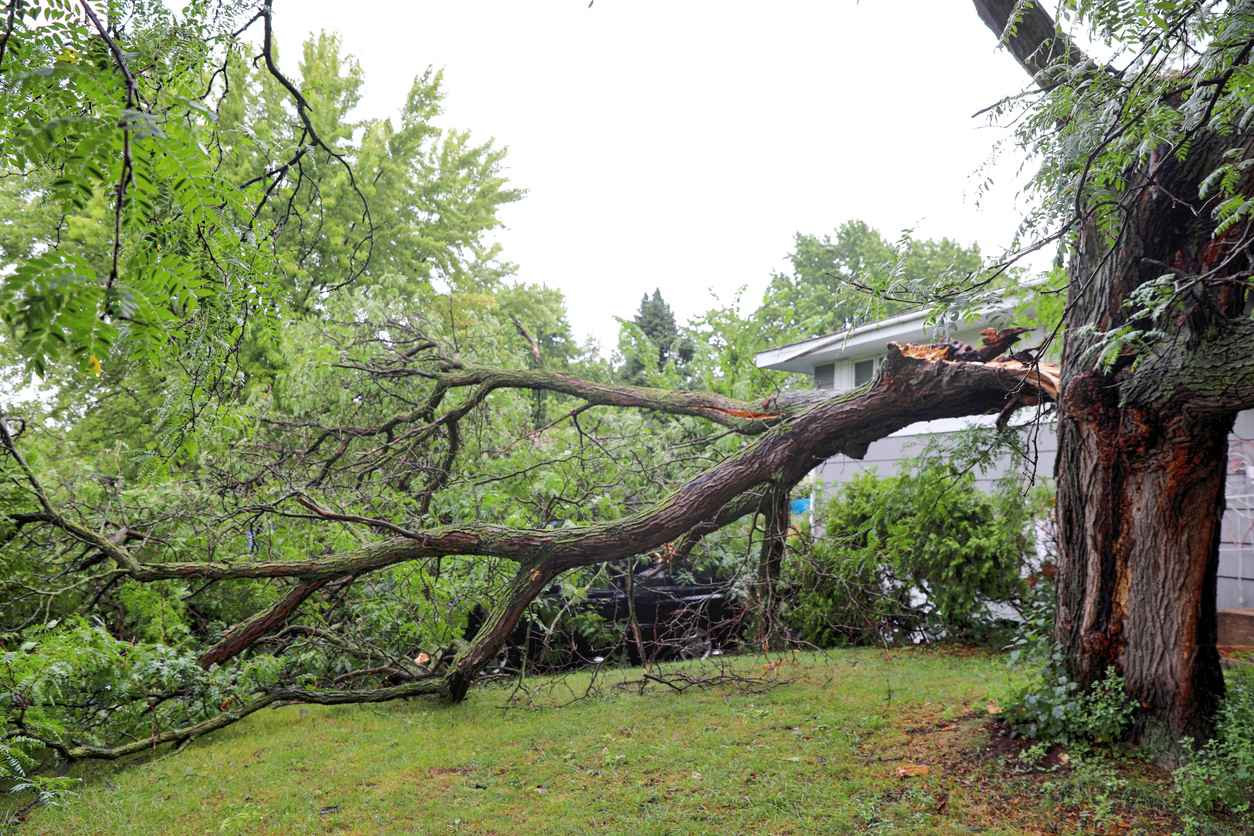
Minnesota’s winters are known for heavy snow, thick ice, and powerful winds, and these conditions can put significant stress on the trees in your yard. Even strong, mature trees can struggle under the weight of ice or the force of a windstorm. When branches break or trunks split, the damage can happen quickly and may create long-term health problems for your trees if not addressed properly.
Understanding how to protect your trees before severe weather hits and how to help them recover afterward is essential for maintaining a safe and healthy landscape. With the right approach, many storm-damaged trees can be saved and restored. In this blog, we’ll walk through the main causes of winter weather damage, how to assess the condition of your trees safely, the immediate steps you can take after a storm, and when it is best to call a certified arborist for professional help.
How Winter Weather Damages Minnesota Trees
Winter in Minnesota brings a combination of ice, snow, and high winds that can place enormous stress on trees. Even healthy, well-established trees can suffer structural damage when harsh weather conditions arrive. Understanding how these elements affect your trees helps you identify problems early and take timely action.
Ice Buildup Adds Extreme Weight
Ice storms can coat branches in a thick, heavy layer of frozen water. Even a small amount of ice dramatically increases the weight a branch must support. This can cause bending, cracking, or complete breakage, especially in species with wide canopies or brittle wood. Ice can also trap branches together, making them more vulnerable to splitting when the wind picks up.
Heavy Snow Causes Branch Stress
Wet, dense snow is common during Minnesota winters and can clump on branches for long periods. This additional weight often leads to sagging limbs and stress fractures. Evergreen trees are particularly susceptible because their needles hold more snow than bare deciduous branches.
Strong Winds Weaken or Uproot Trees
High winds can uproot young or shallow-rooted trees, and they can snap branches that are already weakened by ice or decay. Even if a tree remains standing, repeated wind pressure can loosen its root system, making it unstable and more vulnerable to future storms.
Temperature Fluctuations Create Internal Stress
Rapid freeze and thaw cycles cause bark to expand and contract. This can lead to cracks that expose the inner wood to disease and pests. These temperature stresses often go unnoticed until spring when signs of decline begin to appear.
Common Types of Storm Damage
Storms can create several distinct issues, including:
-
Broken or hanging branches
-
Split trunks
-
Torn bark
-
Leaning trees
-
Uprooted or partially uprooted trees
By recognizing these forms of storm damage, homeowners can act quickly to protect both their trees and their property.
Assessing Tree Damage Safely
After a winter storm, it is important to assess your trees, but it must be done with safety as the first priority. Ice, snow, and wind can leave branches hanging, trunks weakened, and root systems compromised. Knowing what to look for helps you decide whether the tree can be cared for at home or if a certified arborist is needed.
Inspect Trees from a Safe Distance First
Before walking under or near a damaged tree, take a few minutes to observe it from a distance. Look for hanging branches, leaning trunks, or unstable limbs that could fall without warning. Ice can hide cracks or stress points, making damaged trees unpredictable. If anything appears unsafe, keep clear and contact a professional immediately.
Look for Signs of Mild Damage
Some storm damage is minor and can often be corrected with careful pruning. Signs of mild damage include:
-
Small, broken branches on the ground
-
Light cracking in smaller limbs
-
Minor bending that begins to correct itself as the ice melts
These issues can usually be addressed without major intervention, but monitoring the tree for changes is still important.
Identify Signs of Severe or Hazardous Damage
Severe damage requires expert evaluation. Look for:
-
Branches that are split but still attached
-
Deep cracks in the trunk
-
Large limbs broken near the main stem
-
Trees that are leaning more than before the storm
-
Uprooting or heaving of the soil around the base
Any of these conditions can make a tree unstable and dangerous. Attempting to cut or pull on damaged branches without training can cause serious injury or further harm to the tree.
Know When to Call a Certified Arborist
If you are unsure about the extent of the damage, or if the tree is located near your home, driveway, or power lines, a certified arborist should be called right away. Arborists have the tools and training needed to assess hazards safely and determine whether the tree can be saved or needs professional care.
Immediate Steps for Tree Recovery
Once a storm has passed, the way you respond in the first hours and days can make a significant difference in how well your trees recover. Careful, informed action helps prevent further damage and protects both your property and your safety.
Remove Small Broken Branches Safely
If there are small, easily accessible branches on the ground or lightly cracked limbs within reach, you can trim them with clean, sharp pruning tools. Make smooth cuts just outside the branch collar to help the tree heal naturally. Avoid tearing or snapping limbs, since ragged wounds are more vulnerable to disease.
Avoid Shaking Snow or Ice Off Branches
It may be tempting to shake or knock off snow and ice, but doing so can cause weakened branches to snap. Allow ice to melt naturally. If snow is very heavy, use a broom to gently brush it off by pushing upward from below, never pulling down on a branch.
Support or Stabilize Leaning Trees
Young trees that have bent under snow or wind may be able to recover if they are still anchored by their roots. You can carefully straighten them and secure them with soft, flexible ties attached to stakes. Be sure not to tie the tree too tightly, since it needs space to move and grow.
Prune Damaged Limbs to Prevent Further Injury
Removing damaged limbs prevents them from splitting farther during future storms. Focus only on the limbs you can prune safely from the ground. For any branches that are large, twisted, or elevated, wait for a certified arborist to assess and remove them professionally.
Avoid Using Sealants or Tree Paint
Sealants are often marketed as protection, but they can trap moisture inside the wound and slow the healing process. Trees are naturally capable of sealing their own wounds when cuts are made correctly.
Monitor the Tree Over the Next Several Weeks
After initial cleanup, continue to observe the tree as the snow and ice melt. Look for delayed signs of injury such as drooping branches, cracks that deepen, or bark that begins to peel. Early detection allows for timely intervention.
The Role of Professional Tree Care Services
Storm damage can leave trees unstable, weakened, or unsafe to handle without proper training. Professional tree care services play a critical role in helping Minnesota homeowners restore tree health, prevent future hazards, and maintain a safe landscape after harsh weather.
Why Certified Arborists Are Essential for Storm Recovery
Certified arborists have the training and experience needed to evaluate storm-damaged trees accurately. They understand how ice, snow, and wind affect each species and can identify hidden structural problems that are not obvious to the untrained eye. Their expertise ensures that damaged limbs are removed correctly and that the tree has the best chance to recover without unnecessary stress.
Preventing Hidden Safety Hazards
Some storm damage is immediately visible, but many hazards remain hidden within the canopy or root system. Cracks deep within branches, internal decay, or soil shifts around the base of the tree can create dangerous situations in future storms. Professional assessments uncover these risks and provide solutions before they become emergencies.
Specialized Tools and Techniques
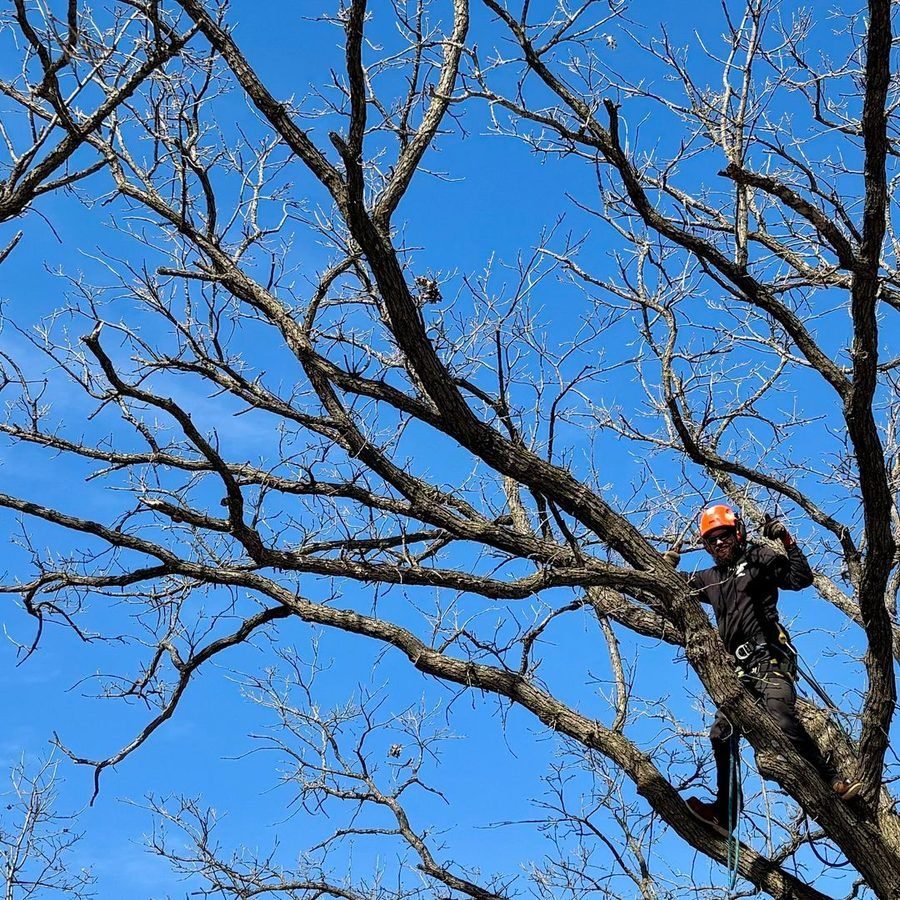
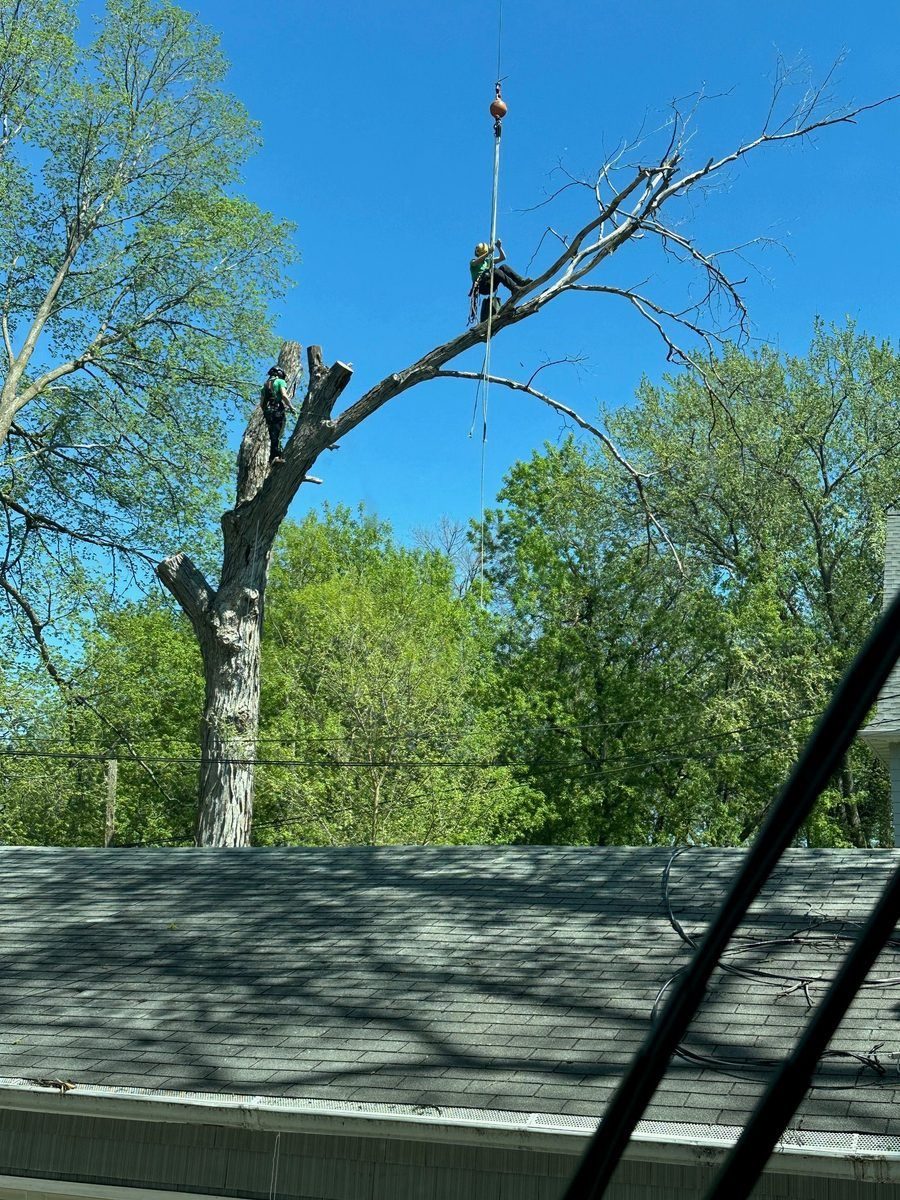
Tree care often requires equipment that exceeds what most homeowners can safely use. Arborists carry advanced tools such as climbing gear, rigging systems, and precision cutting equipment that allow them to remove damaged branches safely and efficiently. This reduces the risk of injury or additional harm to the tree.
Restoring Tree Structure and Health
After removing storm-damaged limbs, arborists can recommend and provide services such as structural pruning, fertilization, mulching, or soil aeration. These treatments strengthen the tree’s root system, encourage healthy regrowth, and reduce vulnerability to future storms.
How Bratt Tree Helps Minnesota Homeowners
Bratt Tree offers expert storm damage assessments, safe branch removal, and long-term tree care strategies tailored to Minnesota’s climate. Our certified arborists understand local tree species, soil conditions, and seasonal weather patterns, providing homeowners with trusted guidance for recovery and prevention.
Safeguard Your Minnesota Trees After Severe Weather
Minnesota’s winter weather can be unpredictable, and storms that bring ice, snow, or high winds can take a serious toll on your trees. Acting quickly, assessing damage safely, and providing proper care make a significant difference in whether a tree recovers or continues to decline. With the right maintenance and preventive strategies, many storm-damaged trees can regain strength and stability.
Understanding when to involve a professional is just as important as knowing what you can handle yourself. Certified arborists have the training, tools, and local expertise needed to restore tree health while keeping your property safe.
For reliable help after severe weather, contact Bratt Tree. Our experienced team can assess storm damage, recommend the best recovery steps, and provide long-term care solutions to protect your Minnesota landscape.