4.9 Google Rating



The Arborist’s Secret: Why Winter is the Best Time to Prune Your Trees
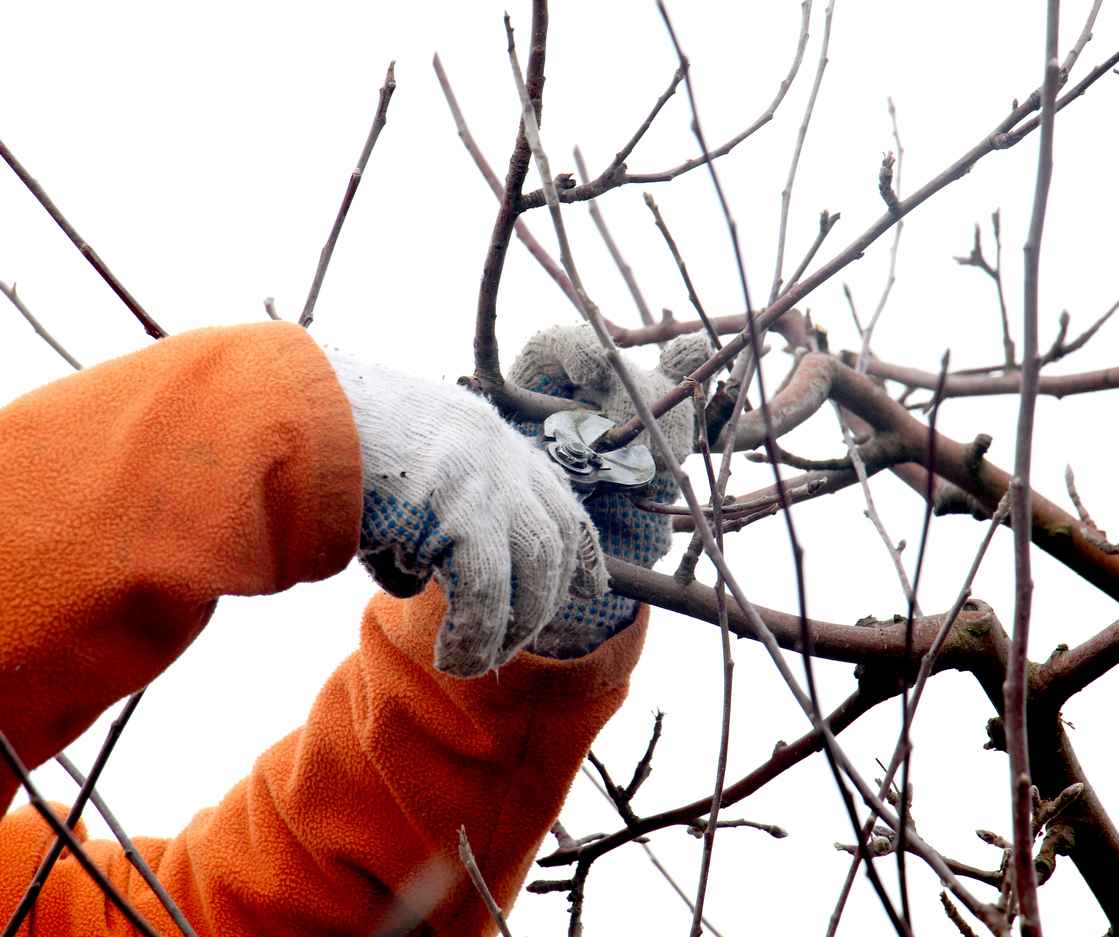
When the last leaf falls and your yard goes dormant for the winter, it’s easy to think that tree care goes dormant, too. Most homeowners hang up their garden tools and don’t think about their trees again until spring.
But for a certified arborist, this is go-time.
You might look at a bare, leafless tree and see a lifeless skeleton. We see a perfect opportunity. The dormant season is, in fact, one of the best and most important times of year to prune.
But how do we do it? How can we possibly tell a “good” branch from a “bad” one when they all look like bare sticks? It’s all about reading the tree’s structure, and winter is when that structure is on full display.
Reading the “Skeleton”: What We Look for Without Leaves
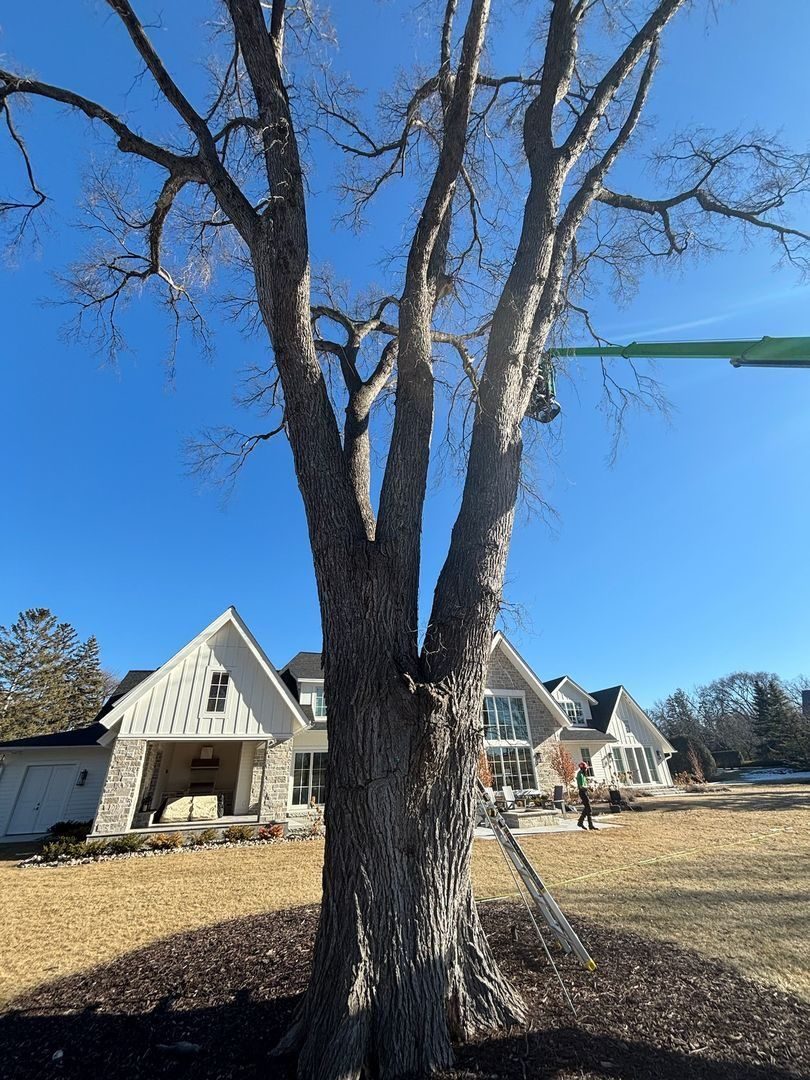
Summer foliage is beautiful, but it’s also great at hiding problems. When the leaves are gone, an arborist can see the true “bones” of your tree. This clear view allows us to spot subtle issues that would be completely obscured by a dense canopy.
Here is exactly what a certified arborist is trained to look for:
- Living Buds vs. Deadwood: This is the most telling sign. A healthy, living branch will have plump, visible buds ready for spring. A dead branch will have no buds, or its buds will be dried out, shriveled, and small. Dead branches also tend to be brittle and may have flaking or peeling bark.
- Branch Structure and Unions: We look for codominant stems—two or more main branches that grow upward from the same point, forming a tight “V” shape. These unions are structurally weak and prone to splitting, especially under the weight of ice or snow. A strong union has a “U” shape with a visible branch collar (the swollen area where the branch joins the trunk).
- The 3 D’s: This is the arborist’s mantra: Dead, Diseased, and Damaged branches.
- Dead: No living buds, as mentioned above.
- Diseased: We look for cankers (sunken, dead areas on the bark), fungal growth (like mushrooms or conks growing from the wood), and discolored bark.
- Damaged: These are the most obvious—cracked, split, or broken limbs from past storms.
- Crossing and Rubbing Branches: When two branches grow in a way that they touch or cross, the bark wears away from the constant friction. This creates an open wound that is a perfect entry point for pests and disease. We remove one of these branches to promote better airflow and health.
- Weak Growth: We also remove watersprouts (weak, vertical shoots growing from the trunk or main limbs) and suckers (shoots growing from the base of the tree). This growth steals energy from the main canopy and doesn’t contribute to the tree’s strength.
Why Winter Pruning is Better for Your Tree
Pruning during the dormant season isn’t just possible; it’s actively better for the tree’s long-term health.
- Less Stress, Less Shock: Think of pruning as surgery for your tree. Making cuts when the tree is dormant is like performing surgery when the patient is asleep. The tree’s metabolism has slowed, so the “wound” is far less shocking to its system.
- Massive Pest and Disease Reduction: Many tree diseases (like the devastating Oak Wilt) and boring insects (like the Emerald Ash Borer) are inactive or dormant in the cold. Pruning in winter means the open cuts have time to begin healing (callousing over) before these pathogens and pests become active in the spring. It’s the cleanest, safest time to make a cut.
- A Powerful Spring Wake-Up: In the fall, a tree pulls all its energy reserves from its leaves and stores them in its root system for the winter. When we prune in winter, we remove specific branches before the tree wastes energy sending sap to them in the spring. When the tree “wakes up,” it directs all that stored energy into the branches we left behind, resulting in vigorous, healthy, and well-placed new growth.
The Clear Benefits of Working in Winter
Beyond the biological advantages for the tree, there are several logistical benefits that make winter the ideal time for this work.
- Total Visibility: As we mentioned, no leaves means no guesswork. We can create a perfect pruning plan that targets structural flaws, ensures balanced growth, and improves the tree’s overall form.
- Protecting Your Property: When the ground is frozen and firm, it’s much easier to bring in our equipment without leaving deep ruts or damaging your lawn and sensitive garden beds.
- Less Disruption: With no leaves to haul away, cleanup is often faster and more efficient. It’s a cleaner, simpler process all around.
Trust the Experts: Why You Need a Certified Arborist
It’s tempting to think that anyone with a saw can prune a tree. But the difference between a “tree cutter” and a Certified Arborist is the difference between long-term health and long-term disaster.
A well-meaning but untrained person can cause irreversible damage by:
- Recommending Unnecessary Removal: They may look at a leafless deciduous tree and tell you it’s dead, encouraging you to cut down a perfectly healthy plant simply because they don’t know what they’re looking at. A tree without leaves doesn’t mean it’s dead—it means it’s dormant.
- Topping: Hacking off the top of a tree, which promotes weak, dangerous growth and starves the tree.
- Flush Cuts: Cutting too close to the trunk, which removes the branch collar and creates a large wound that can’t heal properly, leading to decay.
- Stub Cuts: Leaving a long stub, which also invites decay and pests.
A Certified Arborist is trained in tree biology, anatomy, and physics. They understand how a tree will respond to every single cut. They know a dormant tree is a healthy, living tree and can easily tell the difference between a viable branch with plump buds and a dead one. They follow strict industry standards (ANSI A300) to ensure every cut is made to benefit the tree’s health, safety, and beauty.
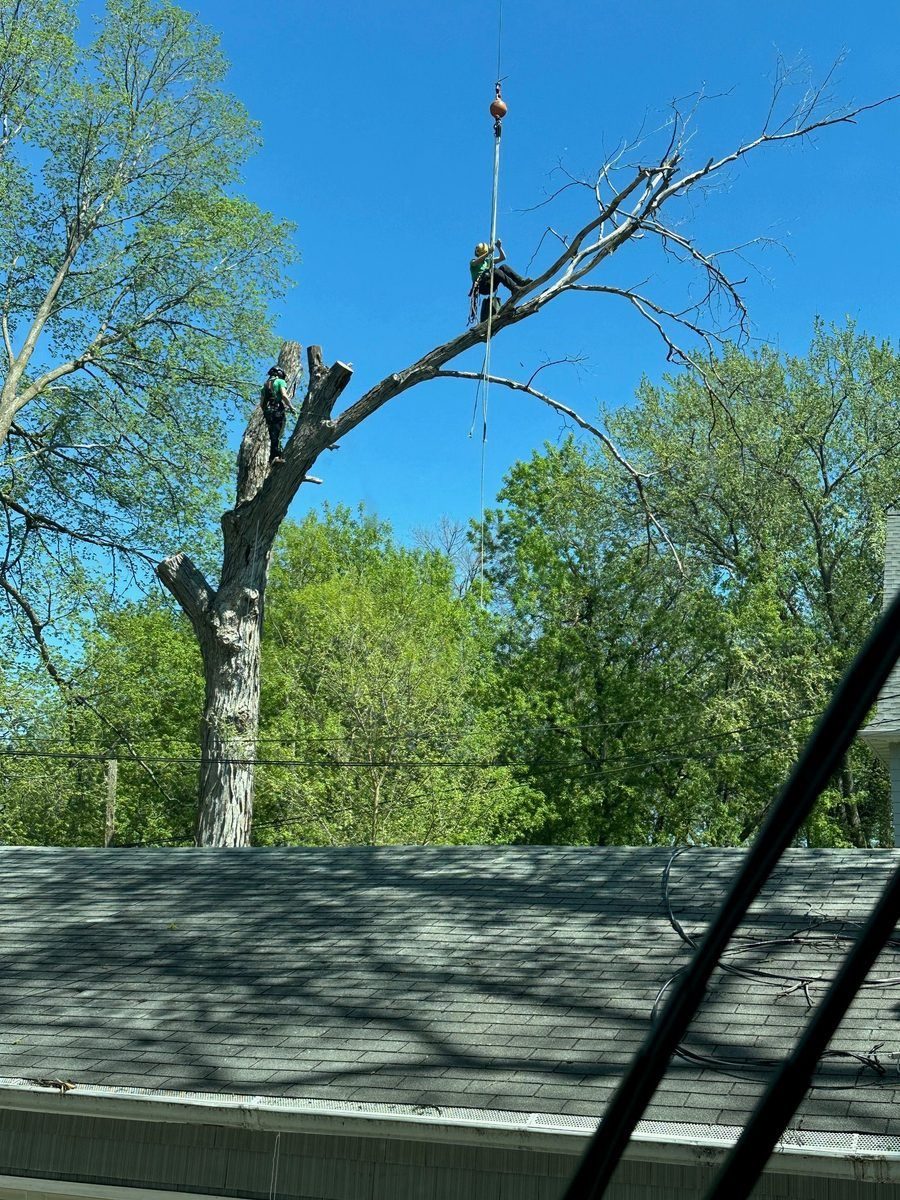
At Bratt Tree, we are proud to have a full staff of ISA Certified Arborists who lead our teams. This certification isn’t just a piece of paper; it’s a guarantee that the person guiding your tree’s care is a true professional dedicated to their craft and the well-being of your landscape.
Don’t let the winter season pass you by. If you want your trees to be safer, healthier, and more beautiful this spring, now is the time to act.
Would you like one of our Certified Arborists to visit your property for a winter structural assessment? Contact Bratt Tree today to schedule your consultation.