4.9 Google Rating




Year-Round Tree Care Calendar for Minnesota Landscapes
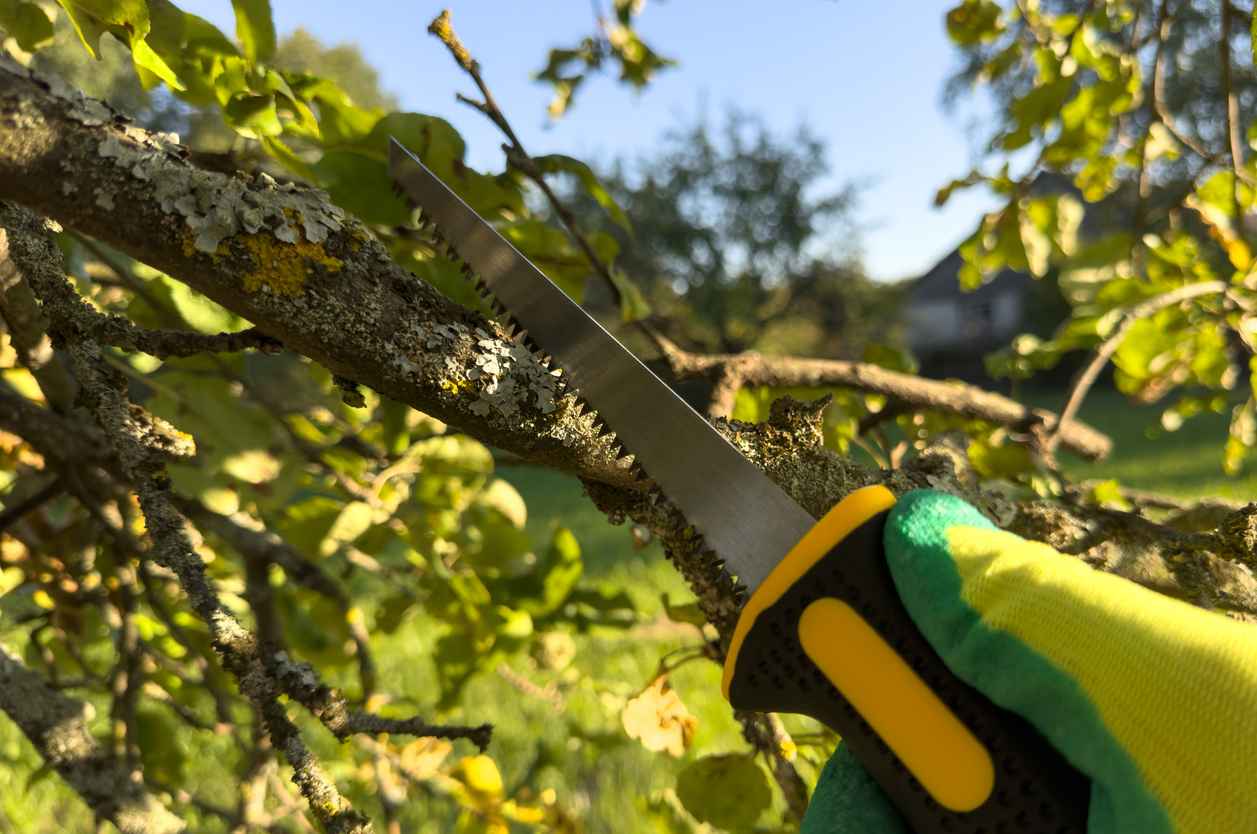
Minnesota’s climate brings freezing winters, rapid spring thaws, humid summers, and early fall frosts. These dramatic seasonal shifts make year-round tree care essential for keeping your landscape healthy and resilient. Trees that receive proper seasonal attention grow stronger, resist pests and diseases more effectively, and remain structurally safe through storms and heavy snow.
A tree care calendar helps homeowners know exactly what to do and when to do it. This blog outlines the key tasks for every season, from winter pruning and spring inspections to summer watering and fall preparation. With the right approach and timely care, you can support the long-term health and beauty of your Minnesota landscape.
Winter Tree Care (December to February)
Winter in Minnesota places significant stress on trees due to freezing temperatures, heavy snow, and dry air. While trees are dormant during this season, proper care helps protect them from structural damage and prepares them for healthy spring growth. Winter is also the safest and most effective time for certain types of pruning.
Structural Pruning on Dormant Trees
Pruning during winter offers several key advantages:
-
Tree structure is easier to see without leaves
-
Pests and diseases are far less active
-
Wounds heal more effectively once spring growth begins
-
Hazardous or weak branches can be safely removed before storms
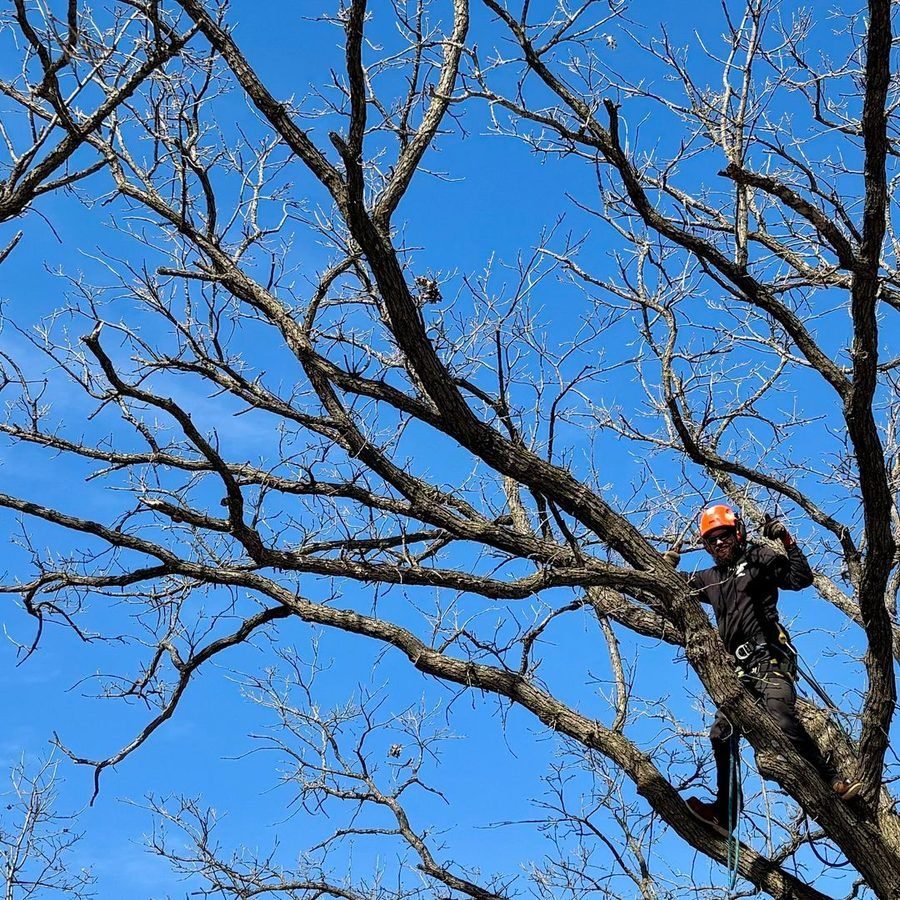
Certified arborists often recommend winter pruning to reduce future risks and promote better form.
Protecting Young Trees From Frost and Wildlife Damage
Young and newly planted trees are especially vulnerable during Minnesota winters. Important protective steps include:
-
Wrapping trunks to prevent frost cracks
-
Installing guards to deter rabbits and deer
-
Clearing snow from around the base to prevent mold or rot
-
Checking stakes and ties to ensure stability in high winds
These measures help young trees survive harsh winter conditions and enter spring in healthier shape.
Early Spring Tree Care (March to April)
Early spring is when Minnesota trees begin to recover from winter stress and prepare for new growth. This is the ideal time to evaluate tree health, address winter damage, and start preventive treatments. Early action helps trees grow stronger and more resilient throughout the rest of the year.
Checking for Winter Injury and Broken Branches
As snow melts, it becomes easier to spot structural issues. Key inspection points include:
-
Split or cracked branches
-
Broken limbs caused by heavy snow or ice
-
Frost damage on bark or buds
-
Signs of stress on young or recently planted trees
Removing damaged limbs early prevents decay and reduces the risk of falling branches as wind increases.
Early Pest and Disease Prevention
Many pests and diseases become active in spring. Early intervention can make a big difference. Spring tasks include:
-
Applying dormant oils to control overwintering insects
-
Inspecting bark for signs of boring insects
-
Checking for fungal growth or discoloration
-
Creating a treatment plan for pest prone species
Proactive care helps protect trees before pests and diseases gain momentum later in the season.
Late Spring Tree Care (May to June)
Late spring brings warmer temperatures, active root growth, and rapid leaf development for Minnesota trees. This is a crucial time to support hydration, nourish the soil, and prepare your landscape for the heat of summer. Proper care during this period strengthens trees and promotes healthier growth throughout the year.
Deep Watering Schedules
As soil temperatures rise, trees begin absorbing more water. Effective late spring watering includes:
-
Watering deeply to reach the full root zone
-
Allowing soil to dry slightly between sessions to prevent rot
-
Focusing on young and newly transplanted trees
-
Adjusting schedules based on rainfall
Deep watering helps trees build strong roots and endure summer stress.
Mulching to Protect Root Zones
Mulch helps regulate moisture and temperature around tree roots. Late spring is an ideal time to:
-
Apply two to four inches of mulch around the base
-
Keep mulch a few inches away from the trunk
-
Refresh older mulch that has compacted
-
Use natural materials such as wood chips or shredded bark
Mulching supports moisture retention and reduces weed competition.
Summer Tree Care (July to August)
Summer in Minnesota brings heat, humidity, and occasional drought conditions. This is also peak season for pests and fungal diseases. Consistent watering, attentive monitoring, and timely treatments help trees stay healthy and resilient during the hottest months of the year.
Monitoring Soil Moisture and Proper Watering
Trees rely heavily on deep, consistent watering during the summer. Important practices include:
-
Checking soil moisture several inches below the surface
-
Watering slowly to reduce runoff and increase absorption
-
Making sure young trees receive extra attention
-
Adjusting watering frequency during dry spells or heatwaves
Proper hydration helps trees withstand heat stress and prevents premature leaf drop.
Identifying Pests, Leaf Scorch, and Fungal Issues
Summer pests and diseases can spread quickly if not detected early. Watch for:
-
Discolored or curling leaves
-
Browning along leaf edges from heat stress
-
Holes or chewed foliage from insects
-
Powdery mildew or leaf spot from high humidity
Early diagnosis and treatment keep small issues from turning into widespread damage.
Early Fall Tree Care (September to October)
Early fall is one of the most important seasons for tree care in Minnesota. Cooler temperatures and increased moisture help trees recover from summer stress and prepare for winter dormancy. This is the ideal time to boost soil health, strengthen roots, and plant new trees.
Fertilizing and Soil Health Improvements
Trees rely on strong root systems to survive harsh winters. Early fall is perfect for soil enrichment. Key tasks include:
-
Applying slow-release fertilizer to support root growth
-
Improving soil structure with compost or organic matter
-
Testing soil to identify nutrient deficiencies
-
Addressing compaction that may limit root expansion
Healthy soil helps trees store energy for winter and promotes strong growth the following spring.
Planting or Transplanting New Trees
Fall planting offers several advantages for Minnesota landscapes, including:
-
Cooler weather that reduces stress on young trees
-
Warm soil that encourages rapid root establishment
-
Lower watering demands compared to summer
-
Ideal timing before winter dormancy
Choosing hardy, Minnesota suited species ensures better long term success.
Late Fall Tree Care (November)
Late fall is the final opportunity to prepare your trees for Minnesota’s harsh winter conditions. As temperatures drop and the ground begins to freeze, the steps you take now help protect roots, reduce stress, and minimize the risk of winter injury.
Final Watering Before the Ground Freezes
Moist soil holds heat better than dry soil, giving roots extra protection. Key practices include:
-
Giving trees a deep watering before the first hard freeze
-
Focusing on evergreens and newly planted trees
-
Ensuring water reaches the entire root zone
-
Avoiding overwatering once the soil becomes saturated
A final watering helps trees enter winter with adequate hydration.
Inspecting for Structural Issues That Snow or Ice May Worsen
Tree damage often occurs when weak limbs cannot handle the weight of snow or ice. Late fall inspections should include:
-
Checking for cracked or dead branches
-
Examining limbs growing at narrow angles
-
Looking for signs of decay or insect damage
-
Identifying branches that hang over structures or walkways
Addressing these issues early prevents hazards during winter storms.
When to Call a Certified Arborist
While many tree care tasks can be handled by homeowners, some situations require the expertise and safety training of a certified arborist. Professional guidance helps protect your trees, your property, and your personal safety, especially when dealing with structural issues or advanced treatments.
Hazardous Tree Removal or Limb Pruning
Tree removal and large limb pruning are dangerous tasks that should be left to professionals. An arborist can:
-
Safely remove dead or unstable trees
-
Prune large branches without damaging the tree
-
Manage risks near homes, power lines, and structures
-
Use proper equipment to prevent injuries or property damage
Certified arborists follow industry standards to ensure safe and effective pruning.
Advanced Treatments for Pests, Diseases, or Declining Trees
Some tree health issues require specialized assessment or treatment. An arborist can provide:
-
Diagnosis of complex pest or disease problems
-
Soil analysis and nutrient recommendations
-
Advanced treatments such as injections or targeted applications
-
Long-term care plans for stressed or declining trees
Professional intervention can often save a tree that might otherwise fail.
Protect Your Minnesota Trees With Expert Year-Round Care
Healthy trees add beauty, shade, and value to your property, but they require proper care throughout the year to withstand Minnesota’s extreme seasonal changes. Following a seasonal tree care calendar helps keep your landscape thriving, reduces the risk of storm damage, and promotes long-term health for every tree on your property.
Bratt Tree offers expert, year-round tree care services tailored to Minnesota’s unique climate. From pruning and pest management to soil health and emergency service, our certified arborists ensure your trees receive the attention they need in every season.
Contact Bratt Tree today to schedule a consultation and keep your landscape strong and beautiful all year long.