4.9 Google Rating



How to Spot Tree Diseases Common in the Twin Cities
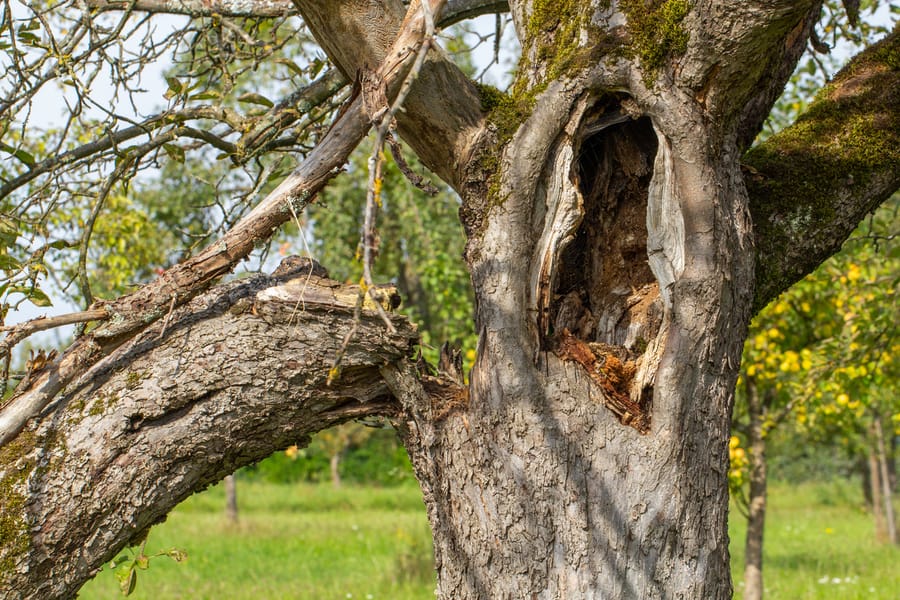
The Twin Cities are famous for their lush, green canopies and majestic residential landscapes. From the historic elms of Minneapolis to the sturdy oaks of St. Paul, our urban forest is a defining feature of life in Minnesota. However, maintaining this beauty requires more than just regular watering and the occasional trim. As we move into 2026, several aggressive tree diseases and pests are threatening the health of our local greenery. For homeowners, the challenge is that many of these issues are nearly invisible in their early stages. By the time a tree looks obviously sick, it may already be too late to save it. At Bratt Tree, our ISA-certified arborists have spent over 30 years helping neighbors identify these threats before they lead to costly removals or property damage.
Spotting tree disease early is a combination of knowing what to look for and understanding the seasonal timing of our local ecosystem. Many diseases in the Twin Cities are weather-dependent, with wet springs and humid summers often triggering fungal outbreaks. Others are the result of invasive species that have slowly moved across the state over the last decade. This guide is designed to help you become a more vigilant guardian of your landscape. We will break down the most common diseases currently affecting our area, the telltale signs of an infestation, and the professional steps you can take to protect your investment. Whether you are worried about a single backyard maple or a row of boulevard ash trees, here is what you need to know to keep your trees thriving.
Oak Wilt: A Rapid Threat to Minnesota Red Oaks
Oak Wilt is perhaps the most devastating fungal disease currently active in the Twin Cities. It is particularly aggressive toward the red oak family, which includes northern pin oaks. If left untreated, a healthy red oak can go from vibrant green to completely dead in as little as one to two months.
Symptoms of Oak Wilt
-
Rapid Defoliation: Infected trees often drop their leaves suddenly in mid-summer, while the leaves are still partially green.
-
Leaf Discoloration: Look for leaves that turn a dull green or bronze, starting from the outer edges and moving toward the stem.
-
Fungal Mats: In some cases, you may notice cracks in the bark where the fungus produces a sweet, fruity-smelling mat that attracts sap-feeding beetles.
The disease spreads through root grafts between neighboring trees or by beetles that carry spores to fresh pruning wounds. This is why our team at Bratt Tree strongly advises against pruning oaks during the high-risk months of April through July.
Dutch Elm Disease: The Ongoing Battle for Our Elms
While Dutch Elm Disease (DED) decimated the American elm population decades ago, it remains a persistent threat in the Twin Cities. The fungus is spread by elm bark beetles and blocks the tree’s vascular system, preventing the flow of water and nutrients.
Telltale Signs of Dutch Elm Disease
-
Flagging: This is the most common early sign. A single branch or small cluster of leaves in the upper canopy will turn yellow and wilt while the rest of the tree stays green.
-
Brown Streaking: If you peel back the bark on a wilting branch, you may see dark brown or black streaks in the wood.
-
Canopy Thinning: As the disease progresses, the wilting spreads rapidly downward, eventually killing the entire tree.
In 2026, research into DED-resistant varieties is ongoing, but for existing mature elms, prompt sanitation and professional fungicide injections are the only effective ways to manage the risk.
Emerald Ash Borer: A Quiet but Deadly Invasion
Though technically a pest, the Emerald Ash Borer (EAB) acts as a fatal disease for ash trees across Hennepin and Ramsey counties. This invasive beetle has killed millions of trees in Minnesota, and without treatment, every ash tree in the Twin Cities is at risk.
Identifying an EAB Infestation
-
Woodpecker Damage: Heavy woodpecker activity, often called blonding because the birds strip away the dark outer bark to find larvae, is a major warning sign.
-
D-Shaped Exit Holes: Adult beetles leave tiny, perfectly D-shaped holes as they emerge from the bark in late spring.
-
S-Shaped Galleries: If bark falls away, you will see winding, serpentine tunnels where the larvae have eaten through the tree’s nutrient-conducting tissue.
At Bratt Tree, we provide trunk injections that offer high levels of protection for ash trees. However, these treatments must be repeated every two years to remain effective against the local beetle population.
Bur Oak Blight: Late Summer Stress
Bur Oak Blight (BOB) is a fungal disease that specifically targets bur oaks, the hardy giants of the Minnesota savanna. Unlike Oak Wilt, BOB is often a slower-acting disease that stresses a tree over several years rather than killing it in a single season.
How to Spot Bur Oak Blight
-
Wedge-Shaped Lesions: Look for brown, V-shaped dead areas on the leaves, usually appearing in late July or August.
-
Blackened Leaf Veins: The veins on the underside of the leaves will turn dark brown or black.
-
Hanging Leaves: Infected leaves often stay attached to the tree throughout the winter long after healthy leaves have fallen.
Because BOB is worsened by wet spring weather, we have seen an increase in cases following the rainy intervals of the last few years. While it may not kill the tree directly, the stress can make your bur oak vulnerable to other pests like the two-lined chestnut borer.
Anthracnose and Apple Scab: Common Fungal Nuisances
If your maples, oaks, or crabapples are looking ragged early in the season, they may be suffering from a group of fungal diseases known as Anthracnose or Apple Scab. These are rarely fatal but can significantly impact the beauty and vigor of your landscape.
Signs of Fungal Leaf Spots
-
Distorted Leaves: New leaves may appear curled or twisted as they emerge in the spring.
-
Dark Lesions: Look for irregular brown or black spots on the leaves, often following the leaf veins.
-
Early Leaf Drop: Severely infected trees may drop a significant portion of their canopy in early summer, though they typically grow a second flush of leaves later.
Improving airflow through strategic pruning and removing fallen, diseased leaves in the autumn are the best ways to reduce the fungal spore load on your property.
How Bratt Tree Protects Your Twin Cities Landscape
Diagnosing a tree issue requires a deep understanding of local biology and environmental stressors. The team at Bratt Tree does not just look at a sick leaf; we evaluate the entire ecosystem of your yard. Our ISA-certified arborists use a science-based approach to plant healthcare that includes soil analysis, root system evaluations, and targeted pest management. We believe in being proactive rather than reactive. By the time a tree is showing severe symptoms, the cost of treatment is often higher, and the chance of success is lower. Our goal is to catch these issues in their infancy, providing customized treatment plans that strengthen your trees and preserve the value of your property.
Trust Bratt Tree for Professional Disease Management
Managing tree health in the Twin Cities is a year-round commitment. From the dormant pruning of the winter to the high-stakes disease monitoring of the summer, your trees need professional oversight to thrive. At Bratt Tree, we are proud to be a family-owned, green company with over 30 years of experience serving our neighbors in Minneapolis, St. Paul, and the surrounding suburbs. We offer honest advice, transparent pricing, and the technical expertise needed to handle everything from minor leaf spots to major infestations. Do not leave the health of your landscape to chance.
Contact Bratt Tree today to schedule a tree health assessment and ensure your property remains safe and beautiful for years to come.