4.9 Google Rating



Buckthorn & Brush Removal in the Twin Cities
Buckthorn can quickly take over wooded lots, fence lines, and landscaped areas, crowding out native plants and making outdoor spaces difficult to maintain. Simply cutting it down often isn’t enough. Without proper stump treatment and follow-up care, buckthorn can return and continue spreading.
Bratt Tree provides professional buckthorn removal throughout the Twin Cities, helping homeowners, property managers, and businesses reclaim overgrown areas and protect the surrounding landscape.
Our approach goes beyond cutting and clearing. We identify invasive growth, protect desirable trees and shrubs, treat freshly cut stumps, and dispose of brush in accordance with Minnesota regulations. We also plan follow-up treatments to help control new growth.
With ISA Certified Arborists on staff, Minnesota Department of Agriculture (MDA)-licensed pesticide applicators, and more than three decades of experience serving the Twin Cities, we’re equipped to handle everything from a few invasive shrubs to heavily overgrown properties.
How to Identify Buckthorn on Your Property
Not sure whether the shrubs taking over your yard are buckthorn? This invasive plant is common throughout Minnesota, particularly along wooded property lines, trails, and areas with established trees.
Four characteristics can help you identify common buckthorn:
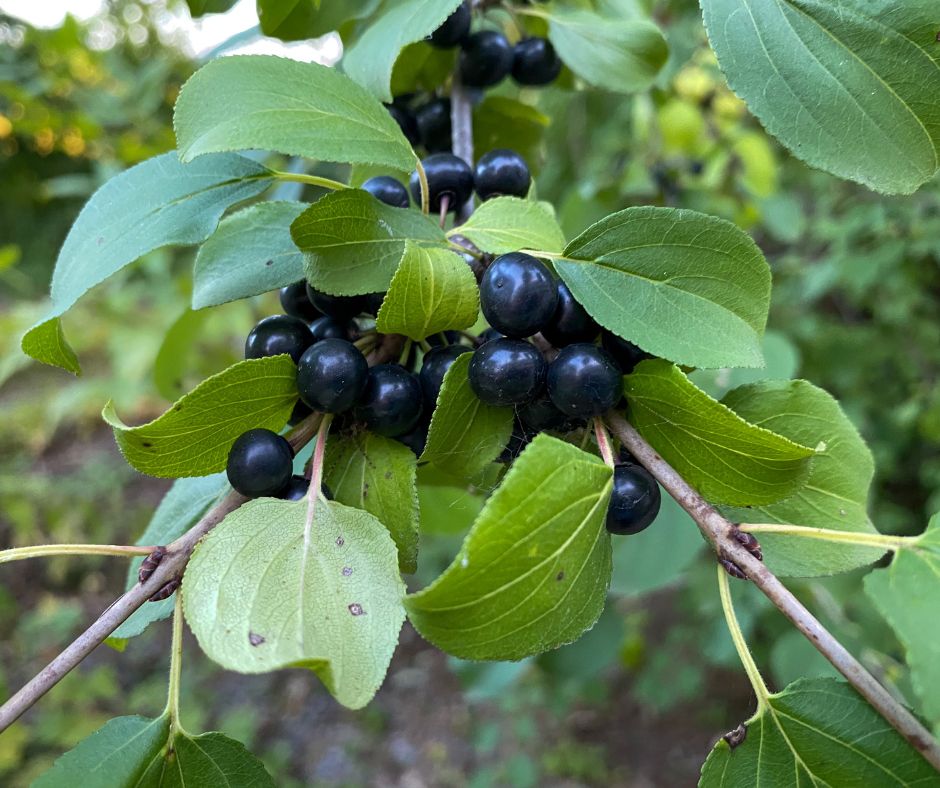
- Green leaves late into fall: Buckthorn often holds its glossy green leaves into November, long after surrounding native trees and shrubs have dropped theirs.
- Thorns at the twig tips: Common buckthorn frequently has a small thorn between the terminal buds at the end of a branch.
- Yellow-orange wood beneath the bark: Scratching away the outer bark of a small twig reveals a distinctive yellow-orange layer.
- Clusters of dark berries: Female buckthorn plants produce small, black berries that birds eat and spread to surrounding properties.
Buckthorn can resemble native plants such as chokecherry and wild plum, making proper identification important before removal begins.
Our arborists can help identify invasive shrubs while protecting native vegetation worth keeping. If you’re unsure what’s growing on your property, send us a photo or schedule an assessment.
Related Reading: Still Green in November? That’s Buckthorn, and October Is When You Beat It.
Why Buckthorn Removal Matters in Minnesota
Buckthorn was originally introduced to Minnesota as an ornamental hedge plant. Unfortunately, its aggressive growth and ability to spread have made it one of the state’s most persistent invasive species.
Unlike many native plants, buckthorn develops leaves early in spring and retains them late into fall. This extended growing season allows it to compete for sunlight and nutrients, gradually changing the surrounding landscape.
When left unmanaged, buckthorn can:
- Crowd out native wildflowers, shrubs, and young trees.
- Prevent desirable tree seedlings from becoming established.
- Create dense thickets that limit access to wooded areas.
- Reduce plant diversity and wildlife habitat.
- Leave exposed soil vulnerable to erosion.
- Provide overwintering habitat for soybean aphids.
Minnesota classifies both common and glossy buckthorn as Restricted Noxious Weeds.
This classification restricts their sale and transportation, but it does not generally require homeowners to remove established buckthorn from their properties.
However, removing invasive growth before it spreads further can make future management significantly easier.
For homeowners concerned about their wooded property’s health, professional buckthorn removal is an important step toward restoring a healthier landscape.
Our Professional Buckthorn & Brush Removal Process
Effective buckthorn removal requires more than cutting unwanted shrubs to the ground. Without proper treatment, established plants can resprout, and seeds already in the soil may keep producing new growth.
Bratt Tree uses a structured removal process that addresses existing vegetation while planning for long-term management.
1. Property Assessment & Removal Planning
Every project begins with an on-site assessment.
An arborist walks the property to identify buckthorn, assess the infestation’s extent, and determine the safest, most practical removal approach.
During this assessment, we consider:
- The size and density of the buckthorn infestation.
- Existing trees and native shrubs to retain.
- Property lines, fences, and nearby structures.
- Slopes, shorelines, and difficult terrain.
- Equipment access and brush disposal requirements.
- Underground utilities and other potential obstacles.
We also identify desirable native vegetation, including dogwood, chokecherry, hazelnut, and young oak trees, that may be hidden within dense growth.
Before removal begins, you’ll receive a written scope of work and an estimate outlining the recommended approach.
2. Cutting & Immediate Stump Treatment
Cutting buckthorn without treating the stump often leads to new shoots developing from the remaining root system.
Our crews cut designated buckthorn stems near ground level and apply an appropriate herbicide treatment to the freshly exposed stumps.
MDA-licensed pesticide applicators apply treatments using labeled products containing active ingredients such as triclopyr or glyphosate.
Prompt application improves effectiveness and reduces the likelihood of resprouting.
Depending on the infestation’s size and density, we may also use basal bark treatment where appropriate.
The goal is to address the existing buckthorn while minimizing unnecessary disturbance to surrounding trees, shrubs, and landscaped areas.
3. Responsible Brush Removal & Disposal
After cutting the buckthorn, our crews collect and manage the resulting brush.
Material without berries may be chipped on-site and used as mulch when appropriate. Buckthorn containing berries requires additional care because its seeds can remain viable after chipping.
We contain and transport fruiting material to an appropriate disposal facility in accordance with Minnesota’s noxious weed regulations.
We include brush handling and disposal in the estimate so homeowners know what’s included before work begins.
4. Ground Cover & Landscape Restoration
Removing dense buckthorn often reveals areas of bare soil where little native vegetation has survived.
Without ground cover, these areas can become vulnerable to erosion and additional invasive plant growth.
Depending on your property’s needs, we can discuss options to stabilize cleared areas and support healthier vegetation.
Potential improvements include establishing grass cover or planning future native shrub plantings.
Minnesota-native species such as gray dogwood, American hazelnut, nannyberry, and highbush cranberry may be appropriate alternatives in certain locations.
Restoration recommendations depend on site conditions, available sunlight, soil characteristics, and the homeowner’s goals.
5. Follow-Up Monitoring & Treatment
Even after removing established buckthorn, seeds remaining in the soil can germinate in subsequent growing seasons.
Birds may also introduce new seeds from neighboring properties.
That’s why long-term buckthorn management often requires follow-up visits.
Bratt Tree can plan seasonal follow-up treatments in the second and third years after initial removal to address emerging seedlings while they’re still small and manageable.
These visits may include pulling young plants or applying targeted treatments where appropriate.
Follow-up services are quoted separately and can be incorporated into a longer-term property maintenance plan.
When Is the Best Time for Buckthorn Removal in the Twin Cities?
Late summer through fall is generally one of the most effective periods for buckthorn removal in Minnesota, particularly when cutting is combined with appropriate stump treatment.
During late October and November, buckthorn often remains green after surrounding native vegetation has lost its leaves. This makes invasive growth easier to identify and helps crews distinguish buckthorn from desirable plants.
Fall removal also lets homeowners address established plants before the next growing season begins.
Can Buckthorn Be Removed During Winter?
Yes. Winter can be an excellent time for professional buckthorn and brush removal throughout Minneapolis, St. Paul, and the surrounding suburbs.
Frozen ground can provide several practical advantages:
- Reduced soil disturbance from equipment.
- Less damage to lawns and landscaped areas.
- Easier access to certain wooded properties.
- Improved visibility after surrounding vegetation loses its leaves.
- Less interference with actively growing plants.
Appropriate stump treatment products and application methods depend on weather conditions, temperatures, and product labeling.
Our crews evaluate these factors when scheduling winter projects.
While crews can remove buckthorn in different seasons, treatment effectiveness varies throughout the year. Spring growth may require adjustments to the removal strategy.
If you’re considering winter buckthorn removal in the Twin Cities, Bratt Tree can assess your property and recommend an appropriate schedule.
How Much Does Buckthorn Removal Cost in the Twin Cities?
The cost of buckthorn removal depends on how much vegetation needs clearing, the size of the plants, and how accessible the property is.
Based on 78 buckthorn removal jobs Bratt Tree completed between summer 2025 and fall 2026, the buckthorn portion of a typical project generally ranged from $200 to $900, with a median cost of about $390.
Smaller projects may cost less, while heavily overgrown wooded areas can require significantly more labor and equipment.
Typical Buckthorn Removal Costs
| Project Type | Typical Cost |
|---|---|
| A handful of small buckthorn stems | $50–$200 |
| One buckthorn tree with a 4–10-inch trunk | $250–$500 |
| A fence line or cluster of buckthorn trees | $400–$900 |
| An entire backyard or wooded property edge | $1,500–$4,700 |
These figures reflect Bratt Tree’s historical project pricing and are general estimates, not guaranteed rates.
Several factors influence the final price:
- Infestation density: Thick growth requires additional cutting, treatment, and cleanup.
- Stem size: Larger buckthorn trees may require chainsaws and more extensive removal.
- Property access: Narrow gates, steep slopes, and difficult terrain can increase labor requirements.
- Brush disposal: The amount of material and distance to an approved disposal location affect project costs.
- Additional services: Combining buckthorn removal with pruning, tree removal, or other scheduled work can improve efficiency.
Buckthorn removal often happens alongside other tree services. As a result, the total invoice may be higher than the buckthorn removal portion alone.
Properties sharing an overgrown lot line may also benefit from coordinating removal with neighboring homeowners.
We price follow-up treatments separately based on the property’s needs.
Bratt Tree provides free, written estimates following an on-site assessment. We’ll evaluate the affected area, explain the recommended approach, and provide pricing before work begins.
DIY Buckthorn Removal vs. Professional Service
Not every buckthorn problem requires a professional crew.
If you have a small number of young plants along a fence or garden edge, you may be able to remove them yourself with the right tools, protective equipment, and treatment methods.
However, larger infestations can quickly become more complicated.
Professional buckthorn removal is worth considering when:
- Growth is extremely dense. Thick vegetation makes it difficult to move safely through the area or access individual stems.
- Buckthorn trees have large trunks. Established plants may require chainsaws and professional cutting techniques.
- The property has challenging terrain. Slopes, shorelines, and uneven wooded areas make removal more difficult.
- Desirable trees are mixed into the growth. Professional identification helps protect native plants and established trees.
- The infestation extends along property boundaries. Working near fences, neighboring landscaping, and structures requires careful planning.
- There’s a significant amount of brush. Proper handling and disposal can become a substantial part of the project.
- You want help managing regrowth. Follow-up monitoring can make long-term invasive plant management more practical.
When hiring a buckthorn removal service, ask whether the company treats freshly cut stumps and whether its applicators hold the appropriate Minnesota pesticide licenses.
These details can significantly affect the work’s effectiveness.
Bratt Tree’s team combines arboricultural knowledge, professional equipment, and licensed treatment practices to handle invasive vegetation while protecting the rest of your property.
Buckthorn & Brush Removal for Different Property Types
Bratt Tree provides invasive shrub removal and brush clearing services for residential and commercial properties throughout the Twin Cities.
Whether you’re managing a small wooded backyard or a larger shared landscape, we’ll help you choose the right removal strategy.
Wooded Residential Properties
Buckthorn often grows along backyard property lines, wooded edges, and under established trees.
Our residential buckthorn removal service helps homeowners clear unwanted vegetation while preserving valuable native trees and shrubs.
We can also address overgrown lot lines and general brush removal needs as part of a coordinated property maintenance project.
Lakeshore & Shoreline Properties
Buckthorn frequently grows along wooded slopes and shorelines, where its dense growth can crowd out desirable vegetation.
Removing invasive plants near water requires extra planning to address erosion concerns, shoreline regulations, and herbicide restrictions.
Our team evaluates site conditions and applicable requirements before recommending a removal approach.
HOAs & Community Associations
Invasive vegetation can make common areas, walking trails, wooded buffers, and pond edges difficult to maintain.
Bratt Tree works with homeowners associations and property managers to assess larger infestations and develop phased removal plans.
For extensive projects, we may schedule work over multiple seasons to accommodate budgets, property priorities, and follow-up management needs.
Related Service: HOA & Community Tree Services
Builders & Property Developers
Buckthorn and other invasive vegetation can interfere with site preparation, access, and tree-preservation goals.
Our crews help builders and developers remove unwanted brush while identifying trees and vegetation designated for protection.
This approach supports more organized site clearing and helps reduce unnecessary disturbance to established trees.
Related Service: Tree Services for Home Builders & Developers
Schedule Your Free Estimate
Get started with a free, no-pressure estimate from our friendly and experienced team.

Buckthorn Removal Services Throughout Minneapolis, St. Paul & the Twin Cities
Bratt Tree provides professional buckthorn removal in Minneapolis, St. Paul, and communities throughout the Twin Cities metro area.
Invasive buckthorn is especially common on wooded residential properties, established neighborhood lot lines, and lakeshore landscapes.
We regularly serve homeowners and property managers in communities including:
- Minneapolis
- St. Paul
- Afton
- Lake Elmo
- Mahtomedi
- Mendota Heights
- Eagan
- Burnsville
- Chanhassen
- Victoria
- Minnetonka
- Shorewood
- Orono
- Medina
- Independence
- Corcoran
- Plymouth
- Edina
Whether you need brush removal in Minneapolis, invasive shrub removal in the western suburbs, or buckthorn clearing along a wooded property in the eastern metro, our team can help.
We understand the challenges Minnesota homeowners face when managing invasive vegetation and work to develop practical solutions for each property.
Contact Bratt Tree to schedule a buckthorn removal assessment in your community.
Why Choose Bratt Tree for Buckthorn Removal?
Successful invasive plant management starts with understanding what to remove and what to keep.
At Bratt Tree, we apply professional arboricultural knowledge and a commitment to protecting your landscape’s long-term health.
Homeowners throughout the Twin Cities choose our team for several reasons:
- ISA Certified Arborists: Our arborists help identify invasive vegetation while recognizing native trees and shrubs worth preserving.
- Licensed Pesticide Applicators: MDA-licensed professionals apply herbicides using appropriate methods.
- Comprehensive Removal: We handle cutting, stump treatment, brush management, and disposal as part of the planned scope.
- Long-Term Management: Follow-up services help address new seedlings and recurring invasive growth.
- Local Experience: Bratt Tree has been family-owned and serving the Twin Cities since 1991.
- Written Estimates: We assess your property and explain the proposed work before we begin removal.
Our goal isn’t simply to make an overgrown area look better for a few months. We want to help homeowners manage invasive vegetation while keeping their property healthy and usable.
10% Off
FertilizationThe coupon is valid only for proposals submitted and accepted between the date of this email and the coupon's expiration date. Coupon is not applicable to any work that has already been accepted by the client at the time the coupon is received. Coupons cannot be combined with other offers and/or discounts.
Expires: Nov 30, 2026
Expires: Nov 30, 2026
Contact Us
Frequently Asked Questions
When you need top-quality tree services like: tree removal, trimming, healthcare, and more; don’t hesitate to contact us!
What Our Clients Say
These guys do great work. Fast, today, polite. I worked with Sean-Paul this time and he did a really great job for us.

Nolan Hanson
3 days ago

Knowledgeable and friendly

Lance Newell
3 days ago
Ian was polite, knowledgeable and very efficient.

JAN Purcell
4 days ago
friendly and a great job

James Morehouse
4 days ago
This was just a meet up for an estimate. Ian was great to work with. He was on time and knowledgeable about our tree removal. We will be moving forward with Bratt. Their price was lower than 2 competitors which was an added bonus.

Ken Schlosser
5 days ago
5 star experience! Great crew and knowledgeable staff. I had them out to remove some buckthorn and clean up one of my larger tress. I will definitely be recommending Bratt Tree Service to others!

Anton Gilb
1 week ago
I am amazed at the talent - yes, talent - it takes to remove these damaged limbs from such precarious heights. This is work I could never do. Fantastic work, gentlemen!

Michael Metzler
1 week ago
John did a fabulous job. All looks perfect.
James Morehouse
1 week ago
The team did a great job with tree trimming of several trees and cabling of another. They were knowledgeable, professional and very personable to deal with.

Tracey Brown
1 week ago
Great work!! I would recommend any day.

Dave Holzer
1 week ago
TJ was very helpful and knowledgeable, when I had follow up questions after our recent tree work he made himself available, and handled my concerns genuinely and professionally. Very happy with my experience.

Cassie Billups
1 week ago
Up front and honest, did a great job and very nice to work with.

Shari Dickson
1 week ago
The crrew was very professional. Trevor visited with us to make sure our questions were answered and then the crew went to work. The finished project looks fabulous. they were very thourogh with the clean up. Very happy with them.
James Morehouse
1 week ago
Called for an estimate and Ian was there within a couple hours. He provided a video walk through since I wasn’t home. Within another hour or so I had a physical quote with still photos. Fast, pleasant and reasonable!

Susan Howell
1 week ago
They did what I asked them to do. Which was great.

Brad Turner
1 week ago
The team called before they came. Did a great job and didn't rush, even though we were the last jib on a rainy day.
The team did a wonderful job and even cleaned up.
Would recommend them easily.
The team did a wonderful job and even cleaned up.
Would recommend them easily.

Kathy Wendel
1 week ago
Great insight, understanding of my concerns and knowledgeable of what needs to be done.

Carmen Velarde
1 week ago