4.9 Google Rating




Emergency Tree Removal After Severe Weather: What to Expect and How It Works
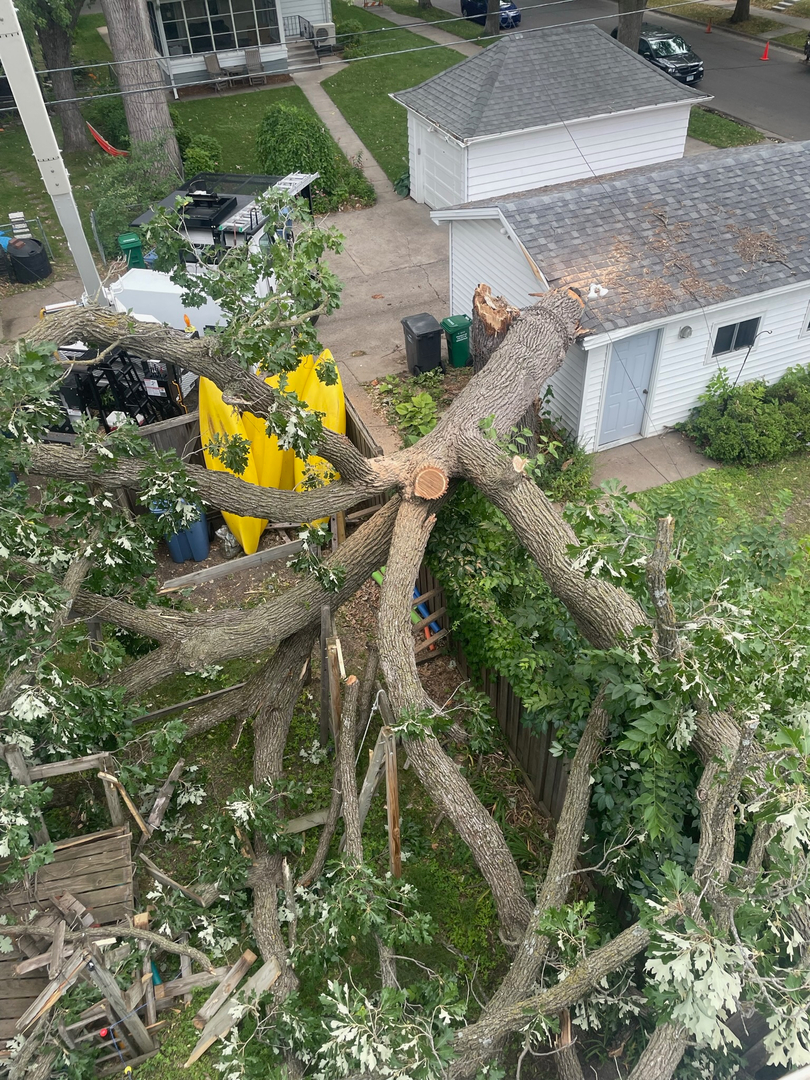
Severe storms can strike with incredible speed, leaving a trail of property damage in their wake. High winds, torrential rains, lightning, and heavy ice are all capable of turning a beautiful, mature tree into an immediate safety hazard. When a tree falls onto your home, blocks your driveway, or takes down local power lines, the situation shifts from a minor yard cleanup to an emergency scenario.
During these high-stress moments, knowing what steps to take can protect your family from injury and save your property from further structural damage. Emergency tree care is highly technical and inherently dangerous, requiring specialized heavy machinery and trained arborists. At Bratt Tree, we believe that clarity is comfort during an emergency. This guide will walk you through exactly what to expect from the emergency tree removal process, how it works from a technical perspective, and how to navigate the immediate aftermath of severe weather.
Immediate Safety Protocols: First Steps After the Storm
When a tree or major limb falls on your property, your initial reactions are critical. Before you pick up a phone or grab a camera, you must ensure the immediate physical safety of everyone on the premises.
Check for Downed Power Lines
High winds frequently tangle tree branches with utility infrastructure. A tree that has fallen onto a power line or pulled a wire down to the ground can energize the surrounding soil, fences, or the tree itself.
- Maintain a Safe Distance: Stay at least thirty feet away from any downed utility lines or trees in contact with wires.
- Assume Lines Are Live: Never assume a downed line is dead or insulated. Treat every wire as a lethal hazard.
- Alert Authorities Immediately: Contact your local utility provider and emergency services before calling a tree removal company. Professional arborists cannot touch a tree until the power company formally cuts the electrical current.
Evacuate Unstable Structures
If a massive trunk or limb has impacted your roof, the structural integrity of your home may be compromised.
- Leave the Building: Evacuate the house immediately if you hear creaking, cracking, or notice shifting walls and ceilings.
- Watch for Secondary Falls: Severe weather systems often feature multiple waves. A tree that is wedged against your roof could shift and collapse further during subsequent high winds or aftershocks.
Navigating the Insurance Process Cleanly
Emergency tree removal can be an unexpected financial burden. Documenting the scenario correctly right after the storm passes is vital for securing proper homeowners’ insurance coverage.
Documenting the Damage
Once it is completely safe to go outside and you are far away from any power lines, begin gathering visual evidence for your insurance adjuster.
- Take Multiple Angles: Capture wide shots of the entire tree and the affected structures, as well as close-up photos of the specific points of impact or structural damage.
- Do Not Alter the Scene: Leave the debris exactly as it landed until your insurance company gives the green light or a professional crew arrives to mitigate further damage.
Understanding Coverage Boundaries
Insurance companies generally differentiate between trees that fall on structures and trees that simply fall in open spaces.
- Tree on a Structure: If a healthy tree falls onto your house, garage, or fence due to an event like a severe storm, your homeowners’ policy typically covers the cost of removal and structural repair.
- Tree in the Yard: If a tree falls into your open lawn without hitting an insured structure or blocking a major driveway, insurance companies often do not cover the removal costs, leaving it as a personal landscaping expense.
How the Emergency Tree Removal Process Works
When an emergency crew from Bratt Tree arrives at your property, our team operates with military precision. Emergency removal is not standard tree trimming. It requires rapid stabilization and strategic rigging to prevent the tree from causing more damage as it is cut away.
Step One: The Site Hazard Assessment
Before a single chainsaw is started, the crew leader conducts a comprehensive safety assessment of the entire zone.
- Identifying Forces: The team analyzes the weight distribution of the fallen tree, identifying tension and compression zones to predict how the wood will shift when cut.
- Identifying Escape Routes: Drop zones and clear escape paths are established for every worker on the ground.
Step Two: Stabilizing the Tree and Structure
If a tree is resting heavily on a roof or wall, cutting it indiscriminately can cause it to roll or drop, puncturing the house further.
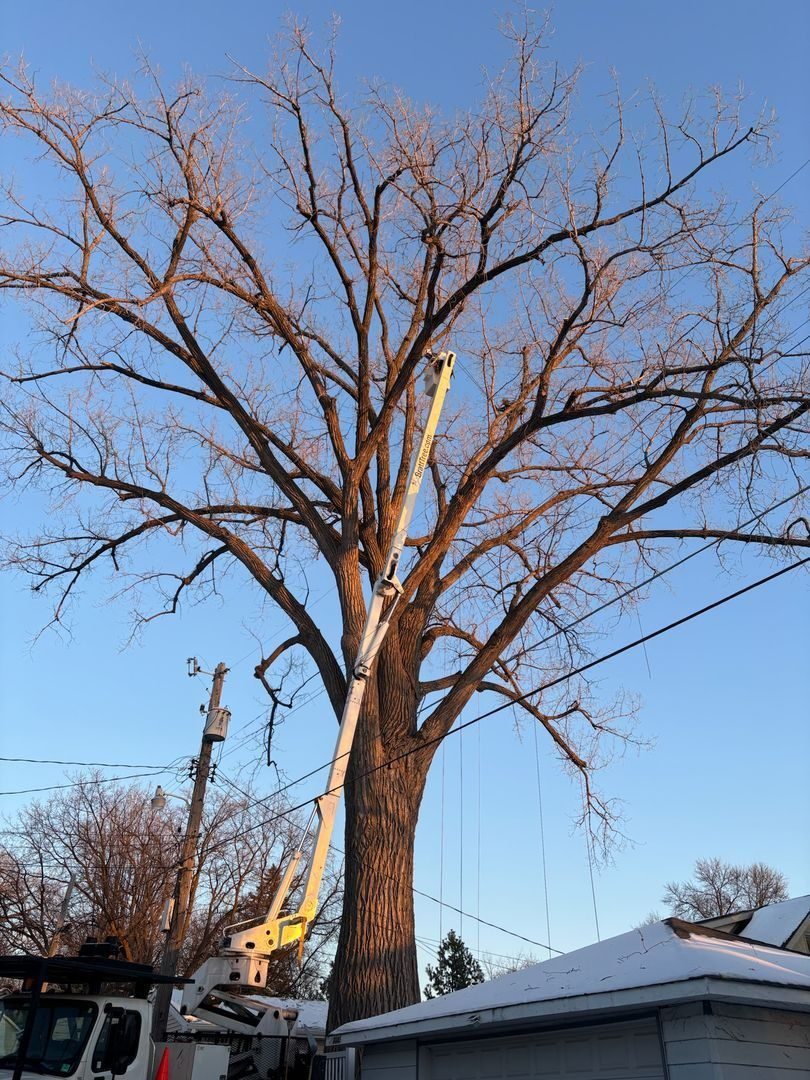
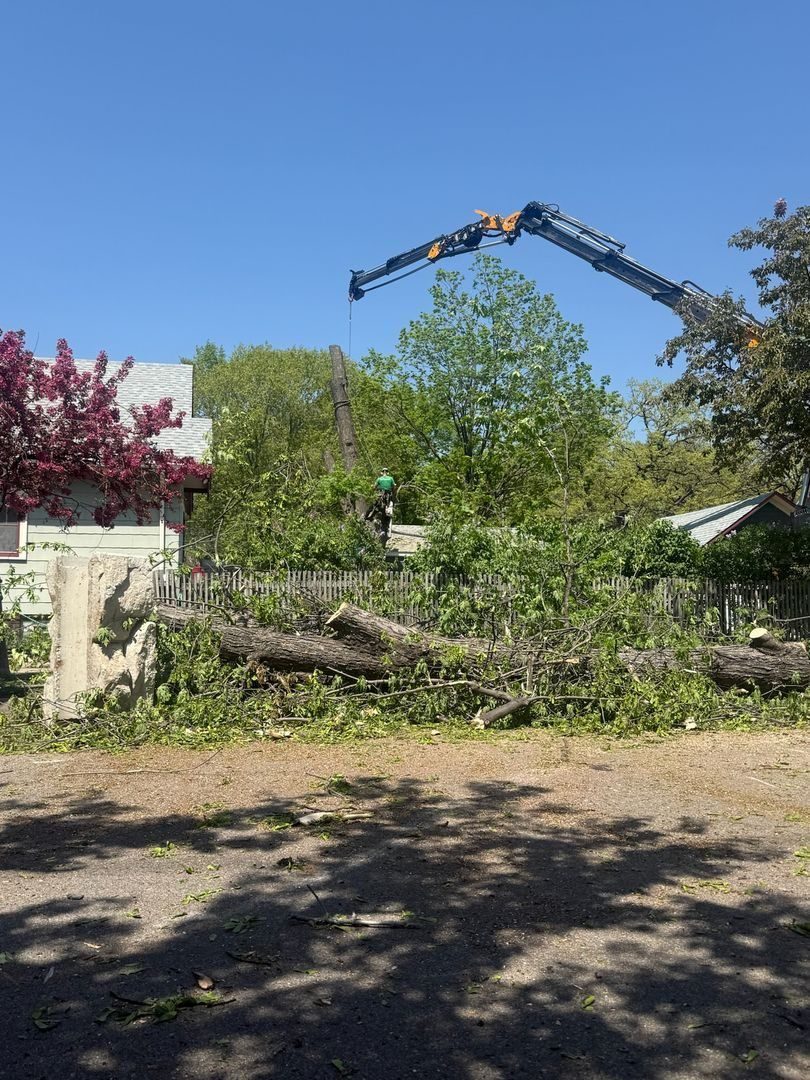
- Cranes and Heavy Equipment: We frequently utilize heavy-duty cranes to lift the bulk of the tree weight off the house structure vertically before any cutting begins.
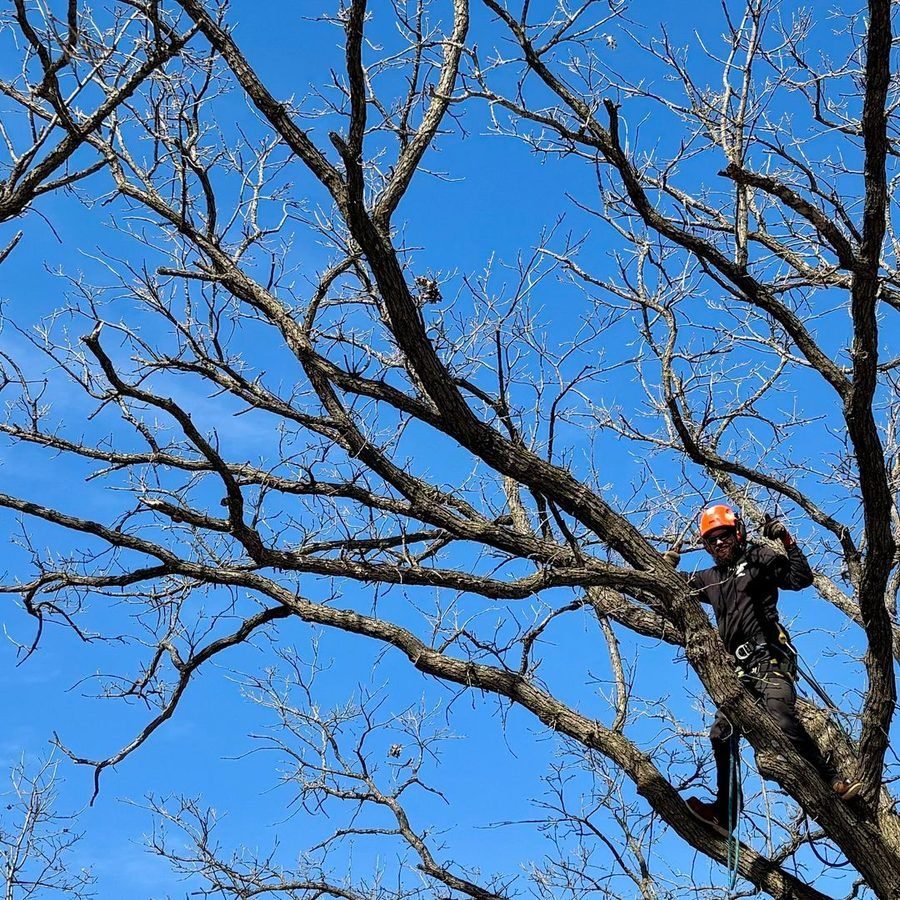
- Rigging Lines: High-strength ropes and blocks are secured to stable anchor points to guide individual limbs down safely without letting them free-fall onto your property.
Step Three: Systematic Dismantling
Once the tree is stabilized or suspended by a crane, arborists begin cutting the canopy away in precise, manageable sections.
- Top-Down Approach: Workers typically remove small branches and outer foliage first to shed weight before tackling the heavy main trunk.
- Controlled Lowering: Each piece of wood is tied off, cut, and lowered gently to the ground by a ground crew managing the rigging lines.
Step Four: Debris Processing and Emergency Tarping
After the immediate threat is removed from your roof, the focus shifts to clearing the site and securing your home from the ongoing elements.
- Chipping and Hauling: Smaller branches are fed into a commercial wood chipper, while large trunk sections are loaded onto flatbed trucks for removal.
- Tarping the Roof: If the tree puncture left a hole in your roof, our emergency response team will secure heavy-duty, weather-resistant tarps over the opening to prevent subsequent rain from causing internal water damage.
Why Professional Arborists Are Non-Negotiable
Following a major storm, it is common for unlicensed individuals with chainsaws to drive through affected neighborhoods offering cheap tree removal services. Hiring unqualified labor for emergency work is an immense risk.
- The Complexity of Rotten or Damaged Wood: Trees that fall during storms are often structurally compromised by rot, pests, or internal decay. Unlicensed workers rarely understand how to handle the unpredictable snapping of compromised wood under high tension.
- Liability Concerns: If an uninsured worker injures themselves or drops a massive limb onto your neighbor’s car while working on your property, you could be held financially liable for the damages.
- Advanced Equipment Requirements: Removing a ten-ton oak tree from a second-story bedroom requires cranes, skid steers, and specialized rigging gear that standard landscapers do not possess.
At Bratt Tree, our personnel are fully insured, highly trained, and equipped with the exact technology required to execute high-angle, heavy-debris extractions without exacerbating property damage.
Restoring Safety and Order
The hours following a severe weather event can feel overwhelming. Seeing your landscape destroyed and your home damaged is a deeply unsettling experience. However, by remaining calm, prioritizing life safety, documenting the scene for your insurance provider, and contacting a certified emergency tree removal company, you can regain control of the situation quickly.
Do not let storm damage compromise your family’s safety or your peace of mind. If a severe storm has impacted the trees on your property, contact Bratt Tree right away to speak with our emergency dispatch team. Let our certified arborists handle the danger safely and efficiently, helping you rebuild and recover with confidence.