4.9 Google Rating



How To Prevent Dutch Elm Disease in Your Trees
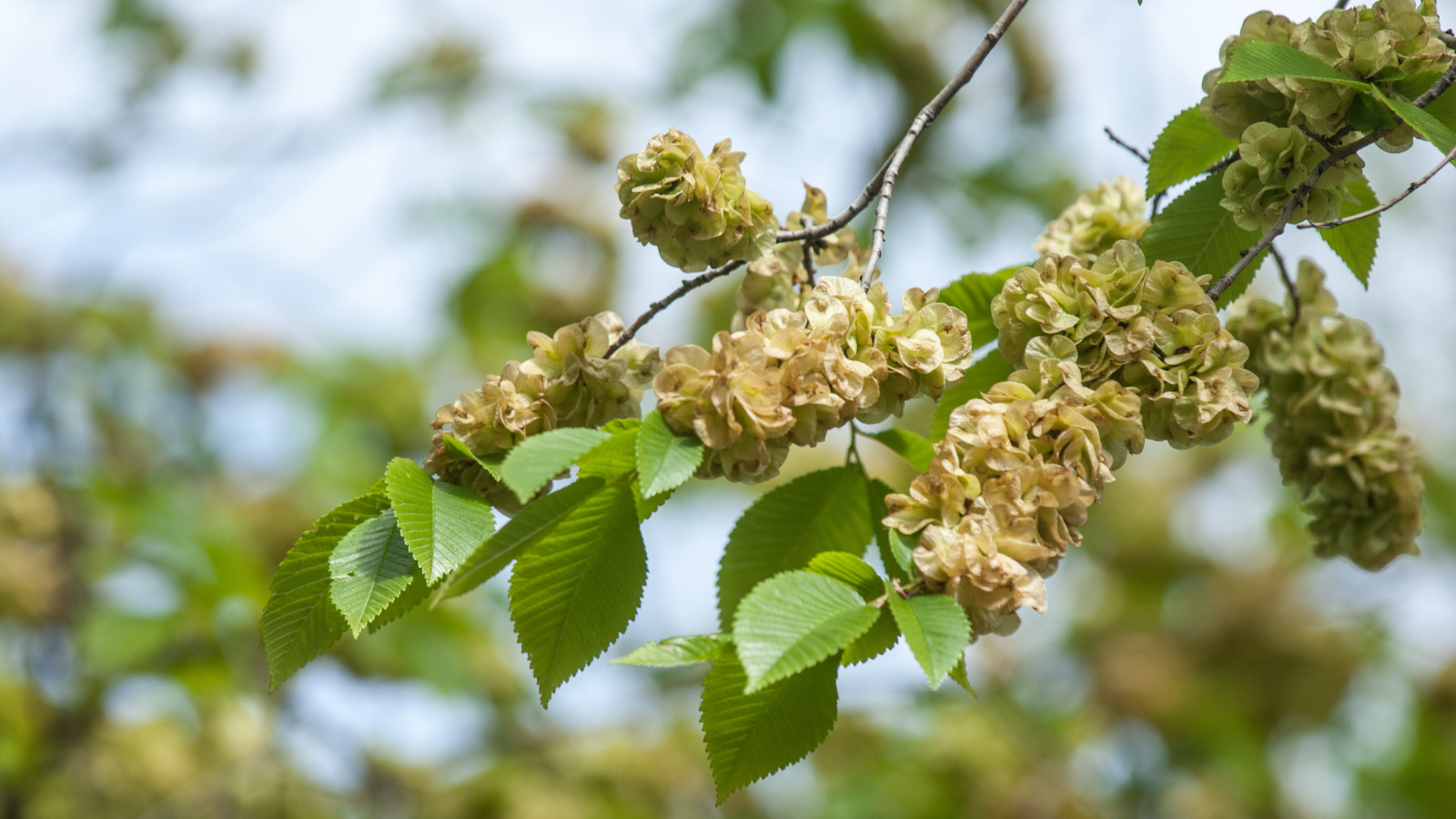
Dutch elm disease (DED) has long been a significant threat to elm trees in the Twin Cities area. This fungal disease, primarily spread by elm bark beetles, can quickly kill infected trees, making it important for property owners to understand and combat this ailment effectively.
In this blog post, the certified arborists at Bratt Tree Co. explore what Dutch elm disease is, how it spreads, and the best practices for prevention and treatment so you can keep your landscape healthy and thriving for years to come.
What Is Dutch Elm Disease?
Dutch elm disease is a fungal infection caused by the fungi Ophiostoma ulmi and Ophiostoma novo-ulmi. The disease primarily impacts elm trees, including American and English elms. Elm bark beetles are the primary vectors through which DED is spread. These beetles carry the fungal spores from infected trees to healthy ones, facilitating the rapid spread of the disease.
Identifying Dutch elm disease early is the key to controlling its spread. Look for these signs that your trees could be suffering from this fungal infection:
- Wilting leaves
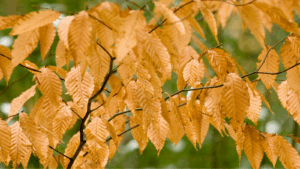
- Yellowing and browning leaves, starting from the top of the tree
- Premature leaf drop
- Dark streaks under the bark
Preventing the Spread
Early detection and intervention are critical for managing Dutch elm disease. Taking these steps can help save the trees on your property from infection:
Proper Pruning & Sanitation
Prune elm trees during the dormant season to avoid attracting beetles. Remove and destroy infected branches promptly, and sanitize pruning tools between cuts to prevent the spread of the disease.
Avoiding Root Damage & Soil Compaction
Protect the root zone from construction activities and heavy machinery. Avoid soil compaction around the base of the tree, which can stress the roots and make the tree more susceptible to disease.
Using Insecticides & Fungicides
Apply insecticides to control elm bark beetle populations if recommended by experts. Consider fungicide injections for high-value trees in areas where DED is prevalent.
Disposing of Infected Wood Properly
Burn or bury infected wood to prevent beetles from emerging and spreading the disease. Do not store elm wood for firewood or mulch unless it has been debarked and treated.
How To Prevent Dutch Elm Disease
 There are several ways to prevent DED from impacting the trees on your property. First, select elm species and cultivars known for their resistance to Dutch elm disease. Consult with a certified arborist for the best recommendations in your area.
Next, maintain proper tree health by watering, fertilizing, and mulching properly, and implement an integrated pest management strategy to monitor for beetle populations using traps, natural predators, and biological controls to keep pests in check.
Regularly inspect your trees for early symptoms and act quickly to prevent the disease from spreading to other trees on your property.
Treating Dutch Elm Disease
While fungicide injections can be effective in the early stages of the disease, tree removal may be necessary if the tree is heavily infected and poses a significant risk to other healthy trees.
Professional arborists can diagnose and recommend the best course of action for treating or removing infected trees. They’ll also ensure the proper disposal of infected trees by burning or burying them to prevent future spread.
Contact a Certified Arborist
If you’ve noticed extensive wilting or visible signs of beetle infestation or are generally uncertain about the welfare of your trees, it’s best to trust the professionals at Bratt Tree Co. Our ISA-certified arborists have the expertise and equipment to diagnose and treat Dutch elm disease effectively.
We can provide tailored recommendations for managing the disease and improving tree health. With 100% satisfaction guaranteed and over 30 years of local service experience, you can rest assured that we’ll deliver the customized DED treatment your trees need to regain total health and vigor.
Request Dutch elm disease treatment for your trees by contacting our certified arborists in Minneapolis–St. Paul today.