4.9 Google Rating



Tree Removal vs Tree Preservation: What Homeowners Should Know
Homeowners often call us with one urgent question: “Do I need to remove this tree?” Sometimes the answer is yes, especially when safety is at risk. But many trees that look “bad” at first glance can be preserved with the right pruning, treatments, and long-term care.
At Bratt Tree, we’re happy to help you remove a tree when that’s the safest, smartest option, but we’ll also work with you to preserve a tree whenever it can be done responsibly. This guide will help you understand the difference between removal and preservation, the industry standards, and your options.
Why Homeowners Remove Trees (and When It’s The Right Call)
Tree removal is often the right choice when a tree poses an unacceptable risk or has declined beyond recovery. A good first step is a professional assessment of the tree’s condition, defects, and targets (your home, driveway, patio, play area, neighbors, power lines, etc.). The industry’s risk framework is commonly guided by ISA best practices for tree risk assessment. (ISA Arbor)
Removal is typically recommended when a tree has one or more of these issues:
1) The tree is hazardous
A hazardous tree is one with defects that increase the risk of failure and would likely damage property or injure someone. The International Society of Arboriculture Tree Risk Assessment BMP is designed to help arborists consistently assess risk and recommend mitigation options. (ISA Arbor)
Common hazard examples:
- Large dead limbs over rooflines or driveways
- Major cracks or splits in the trunk
- Significant lean that has recently worsened
- Root damage (construction, trenching, heaving soil)
- Severe decay at the base or major scaffold unions
2) The tree is dead or in rapid decline
Dead trees and large dead branches can drop without warning. The University of Minnesota Extension specifically calls for removing dead branches and hazardous trees to protect people and property. (University of Minnesota Extension)
3) The structure is beyond correction
Some structural problems can be addressed through proper pruning, but certain defects, especially in mature trees, may not be realistically correctable without harming the tree or creating unacceptable risk.
Why Many Trees Don’t Need to Be Removed
Here’s the big truth: a lot of “problem trees” are actually “management trees.” They may be overgrown, poorly pruned in the past, storm-damaged, or stressed, but still absolutely worth saving.
The ANSI A300 pruning standard (widely used across the industry) emphasizes pruning for clear objectives and good arboricultural practice, and it’s commonly paired with ISA guidance in real-world work specs. (ISA Arbor)
Preservation is often a great option when the tree:
- Is generally healthy but needs proper pruning
- Has a treatable pest/disease issue
- Has storm damage that can be reduced (without “over-pruning”)
- Has clearance issues near rooflines, sidewalks, or driveways
- Has early structural issues that can be addressed proactively
What “Preservation” Usually Includes
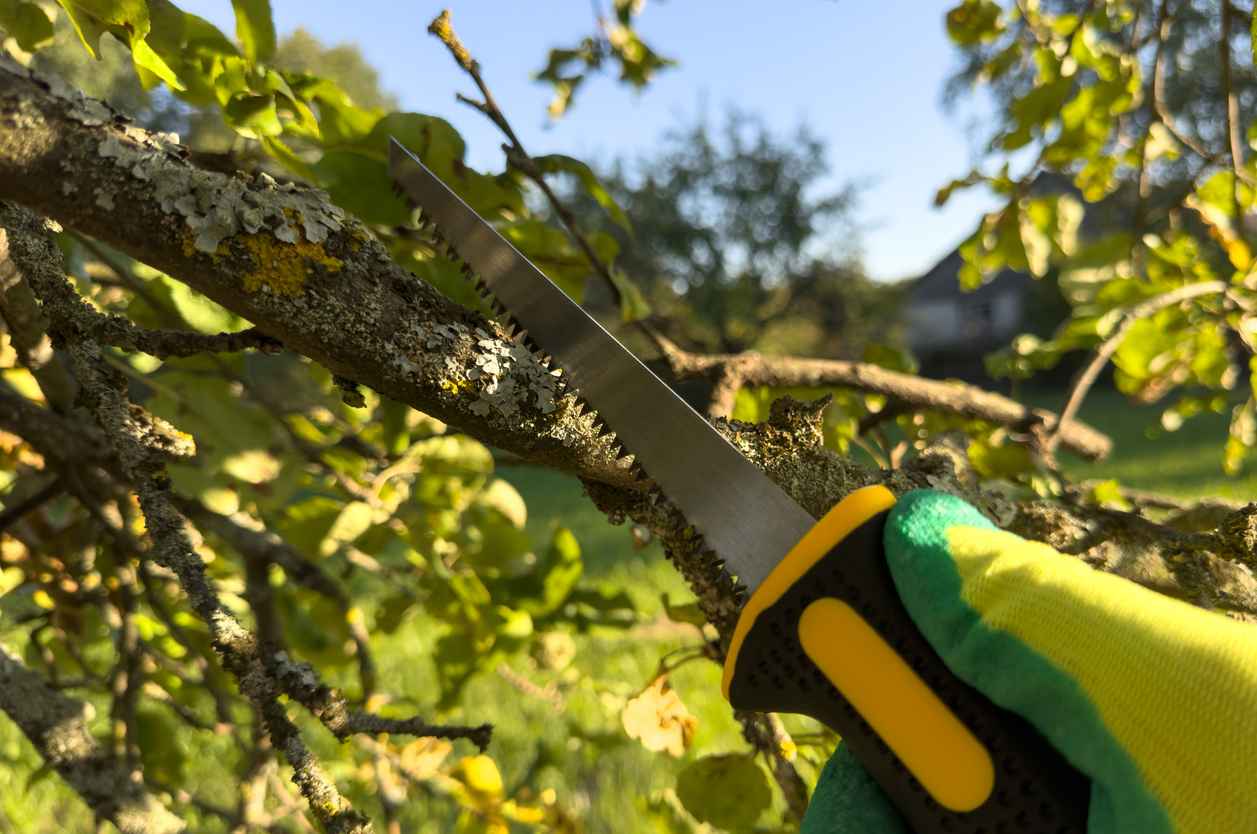
- Professional pruning (standards-based): Proper pruning can reduce risk and improve tree health, without the long-term harm caused by topping or random limb removal. The Tree Care Industry Association notes that ANSI-based pruning avoids harmful practices like leaving stubs, flush cuts, topping, and excessive canopy removal. (Tree Care Industry Association, LLC.)
- Targeted treatments: Sick trees don’t always need removal. Many benefit from diagnosis-first treatments and ongoing care plans.
- Tree risk mitigation (instead of removal): Sometimes you don’t need to eliminate the tree. You need to reduce risk by addressing defects, pruning, and managing potential impacts if something fails.
A Homeowner-Friendly Decision Checklist: Remove or Preserve?
A quick way to think about it is this: Condition + Risk + Goals.
Consider removal when:
- The tree is dead or mostly dead
- Major defects create a high likelihood of failure (especially near targets)
- The cost/risk of preservation outweighs the benefit
- The tree is causing repeated damage and cannot be reasonably managed
Consider preservation when:
- The tree is alive and has recoverable health
- Problems are mostly pruning-related (overgrowth, clearance, past bad cuts)
- The tree provides significant value (shade, privacy, curb appeal)
- Risk can be reduced to an acceptable level through pruning/treatments (ISA Arbor)
Examples: What This Looks Like in Real Life
Example 1: “It’s dropping small branches. Do we remove it?”
Often preserve. Many trees shed small deadwood due to stress, drought, compacted soil, or simple age. A standards-based pruning (crown cleaning/deadwood removal) plus a health plan is often sufficient. (University of Minnesota Extension)
Example 2: “Storm broke a big limb, and now it looks awful.”
Maybe preserve, sometimes remove. If the tree has good structure and the break is isolated, corrective pruning may restore safety and form. But if there’s extensive splitting, trunk damage, or compromised attachments, removal could be the safest path.
Example 3: “The tree leans toward the house.”
Assess risk first. A lean isn’t automatically dangerous, but a new or worsening lean, root plate movement, or soil heaving can indicate instability. This is where risk assessment principles matter most. (ISA Arbor)
Example 4: “It’s messy and too big for the yard.”
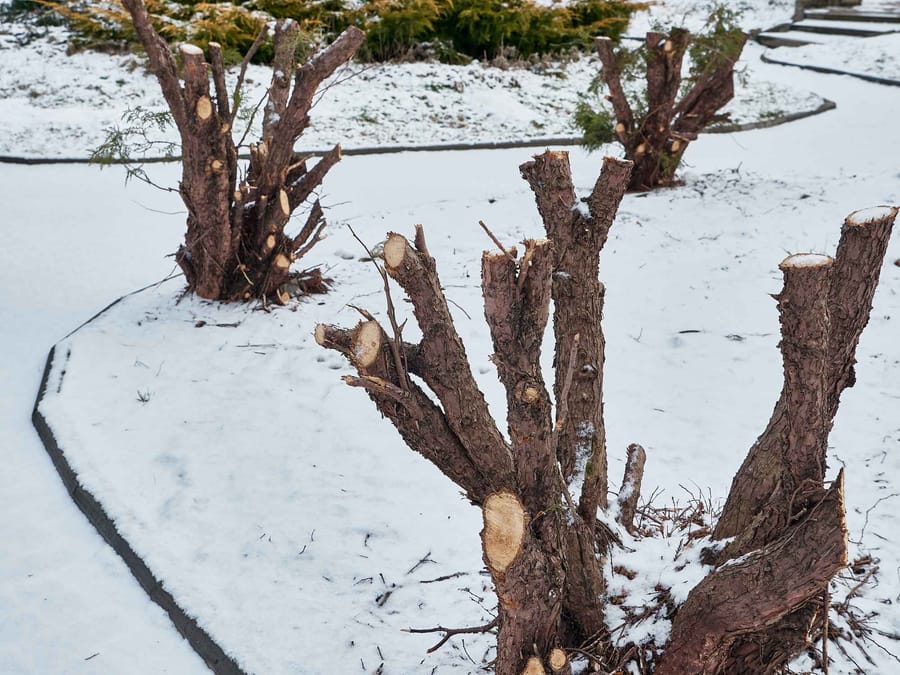
Often preserve. The fix may be a structured pruning plan over time rather than an aggressive one-time cutting. Over-pruning can create more stress and more problems later. (Tree Care Industry Association, LLC.)
What ISA-Aligned, Standards-Based Tree Care Means for You
When you hire a professional, you’re not just paying for equipment; you’re paying for decision-making and technique grounded in industry standards and best practices.
- ANSI A300 provides widely used performance standards for pruning and other tree care operations. (ISA Arbor)
- ISA’s Tree Risk Assessment BMP supports consistent evaluation and mitigation recommendations. (ISA Arbor)
- Practical homeowner education resources, such as the University of Minnesota’s tree-care resources, emphasize the use of qualified professionals for pruning/removal decisions. (mntca.umn.edu)
How Bratt Tree Helps: Remove When Necessary, Preserve When Possible
When you call Bratt Tree, we’ll talk through:
- Your concerns (safety, budget, long-term plans)
- The tree’s condition and structural issues
- Realistic options: preserve, mitigate, or remove
- What the next 1–5 years might look like for that tree
If removal is the right call, we’ll do it safely and efficiently. If preservation is possible, we’ll recommend a plan, often starting with proper pruning and, when needed, treatments that support recovery and long-term performance.
Ready for an Honest Recommendation?
If you’re weighing tree removal vs. tree preservation, Bratt Tree can help you make a confident decision based on safety, standards, and your property goals. Call our teamtoday!