4.9 Google Rating



Still Green in November? That’s Buckthorn, and October Is When You Beat It
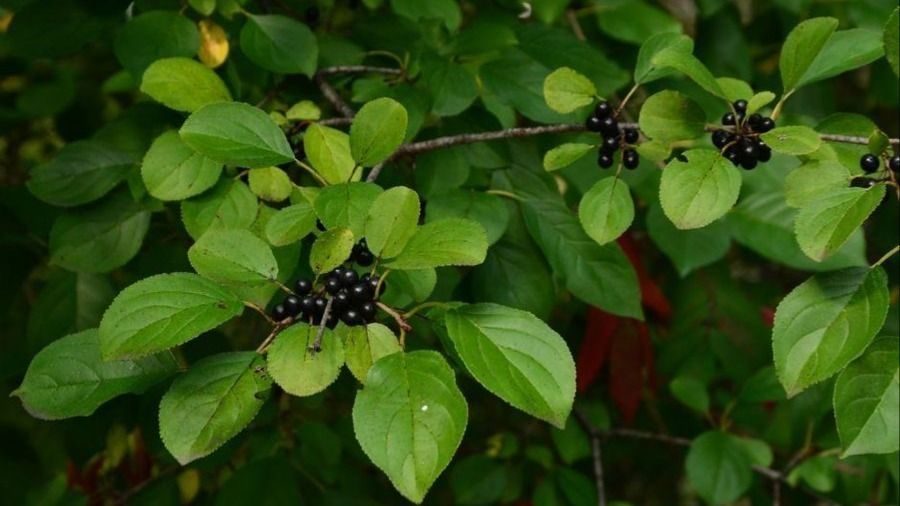
By late October, most trees and shrubs throughout Minnesota have started losing their leaves. But if you’ve noticed dense patches of green shrubs along your fence line or wooded property, you may be looking at buckthorn. This invasive plant is common throughout the Twin Cities and can quickly take over landscapes when left unmanaged.
Buckthorn spreads aggressively, crowds out native vegetation, and can become increasingly difficult to control. Fortunately, fall offers an excellent opportunity to identify and remove established plants before the next growing season begins. In this guide, we’ll explain how to identify buckthorn, why October is an ideal time to remove it, and how to prevent it from returning.
Why Is Buckthorn Still Green in November?
Common buckthorn develops leaves earlier in spring and retains them later into fall than many native Minnesota shrubs. This extended growing season allows it to capture sunlight when surrounding plants are dormant, giving it a competitive advantage. Over time, buckthorn can establish dense thickets that limit sunlight and prevent native vegetation from growing beneath it.
For homeowners in Minneapolis, St. Paul, and surrounding communities, late October and November are particularly useful times to inspect wooded property lines. Glossy green leaves standing out against otherwise bare trees can early indicate buckthorn. However, check additional characteristics before removing any plants.
How to Identify Buckthorn on Your Minnesota Property
Buckthorn can resemble native species such as chokecherry and wild plum, making proper identification important. Common buckthorn has several recognizable features that can help homeowners distinguish it from desirable vegetation. Checking multiple characteristics is more reliable than relying on leaf color alone.
Look for these four identifying features:
-
Glossy green leaves: Oval-shaped leaves with finely toothed edges that often remain green into November.
-
Thorns at branch tips: Common buckthorn frequently has a short thorn between the terminal buds.
-
Yellow-orange coloring: Scraping the outer bark of a twig reveals a distinctive yellow-orange layer.
-
Small black berries: Female plants produce clusters of dark berries that birds can spread to neighboring properties.
Minnesota also has glossy buckthorn, another invasive species that generally lacks the terminal thorn found on common buckthorn. Because some native shrubs share similar characteristics, confirm identification before cutting. A professional arborist can help identify invasive plants while protecting native vegetation worth keeping.
Why Buckthorn Is a Problem for Minnesota Landscapes
Originally introduced to Minnesota as an ornamental hedge plant, buckthorn has become one of the state’s most persistent invasive species. It tolerates a variety of growing conditions and spreads into wooded areas, competing with native vegetation. Once established, it can change the surrounding landscape and make property maintenance more difficult.
Common problems caused by buckthorn include:
-
Crowding out native wildflowers, shrubs, and young trees.
-
Reducing sunlight available to plants beneath dense growth.
-
Limiting the establishment of new native trees.
-
Increasing erosion concerns where ground vegetation becomes sparse.
-
Creating thick, difficult-to-access vegetation along property lines.
-
Providing overwintering habitat for soybean aphids.
Common and glossy buckthorn are classified as Restricted Noxious Weeds in Minnesota. Homeowners generally aren’t required to remove established buckthorn, but restrictions apply to selling and transporting these invasive plants. Addressing an infestation early can help prevent a small problem from becoming a much larger removal project.
Why October Is One of the Best Times to Remove Buckthorn
Late summer through fall is generally an effective time to cut buckthorn and treat freshly exposed stumps. By October, many native plants have started losing their leaves, making buckthorn easier to identify and access. This improved visibility helps homeowners and professional crews remove invasive growth while protecting desirable trees and shrubs.
Benefits of fall buckthorn removal include:
-
Easier identification as buckthorn remains green longer than native plants.
-
Improved access to wooded areas as surrounding foliage drops.
-
Favorable conditions for appropriate stump treatments.
-
Less interference with dormant landscaping.
-
Reduced established growth heading into spring.
Although October is particularly convenient, removal can continue into November and winter when conditions allow. Frozen ground may reduce soil disturbance and improve access to certain wooded properties. Select treatment methods based on weather conditions and product labeling.
How to Remove Buckthorn Without Encouraging Regrowth
Simply cutting buckthorn to the ground often isn’t enough to eliminate it. Established plants can resprout from untreated stumps, while seeds already in the soil may continue germinating for several growing seasons. Effective removal requires addressing existing vegetation and planning for future growth.
A successful buckthorn removal process includes five steps:
-
Identify desirable plants. Inspect the area for native shrubs and young trees before cutting. Buckthorn often grows around dogwood, chokecherry, hazelnut, and oak seedlings. Marking these plants helps prevent unnecessary damage.
-
Cut established buckthorn. Cut larger stems near ground level using appropriate equipment. Remove small seedlings by hand when you can extract the roots. Dense infestations may require professional cutting and clearing.
-
Treat freshly cut stumps. Untreated buckthorn stumps can produce new shoots. Appropriately labeled herbicides containing triclopyr or glyphosate may help prevent resprouting. Follow product instructions, and pesticide applicators working for hire in Minnesota must hold the appropriate licenses.
-
Manage brush disposal. Buckthorn berries contain seeds that can spread when material is transported improperly. Branches without berries may be suitable for chipping, while fruiting material requires additional precautions. Follow Minnesota’s noxious weed regulations for disposal.
-
Monitor for new growth. Buckthorn seeds can remain in the soil after you remove mature plants. Birds may also introduce new seeds from neighboring properties. Regular inspections help identify seedlings before they become established.
Can You Remove Buckthorn During a Minnesota Winter?
Winter buckthorn removal is possible and can benefit certain Twin Cities properties. Frozen ground may allow crews to access wooded areas with less disturbance to soil and landscaping. Leafless vegetation can also make it easier to assess dense growth and identify areas that need attention.
However, herbicide application requirements vary depending on temperature, product formulation, and site conditions. Some treatments suit colder weather, while others have specific temperature restrictions. Professional crews can evaluate these factors and recommend the best removal approach.
Should You Remove Buckthorn Yourself or Hire a Professional?
Homeowners can manage small buckthorn infestations with the right equipment and knowledge. Removing a few young shrubs along a fence line can be a reasonable DIY project. However, larger infestations often involve additional challenges, including difficult terrain, mature stems, and extensive brush disposal.
Professional buckthorn removal may be appropriate when:
-
Dense growth covers a large portion of your property.
-
Established buckthorn trees have thick trunks.
-
Vegetation grows on steep slopes or near shorelines.
-
Invasive shrubs are tangled around valuable trees.
-
Extensive brush removal and disposal are required.
-
Long-term monitoring and follow-up treatments are needed.
Bratt Tree’s ISA Certified Arborists help identify invasive vegetation while protecting desirable plants. Our crews provide professional cutting, stump treatment by MDA-licensed applicators, and responsible brush management. This comprehensive approach helps Twin Cities homeowners address larger infestations while planning for long-term control.
How to Prevent Buckthorn From Returning
Removing mature buckthorn is an important first step, but ongoing monitoring is essential. Seeds left in the soil can germinate in subsequent growing seasons, and birds may introduce more seeds. Addressing seedlings early helps prevent another extensive infestation.
Homeowners can reduce future buckthorn problems by:
-
Inspecting cleared areas each spring and fall.
-
Removing small seedlings before they become established.
-
Monitoring wooded property boundaries.
-
Establishing appropriate ground cover.
-
Planting native shrubs where conditions allow.
-
Coordinating removal efforts with neighbors.
Native species such as gray dogwood, American hazelnut, and nannyberry may be suitable replacements for removed buckthorn. These plants can help restore vegetation and support a healthier landscape. For larger properties, follow-up treatments during the second and third years can help manage recurring growth.
Schedule Professional Buckthorn Removal in the Twin Cities
Buckthorn is common throughout Minneapolis, St. Paul, and surrounding communities, particularly on wooded lots and established residential properties. Whether you’re dealing with a few invasive shrubs or an entire overgrown property line, proper identification and removal can help protect your landscape. Fall is an excellent time to address the problem before another growing season begins.
Bratt Tree has served Twin Cities homeowners since 1991, providing professional tree care and vegetation management services. Our team offers buckthorn assessments, cutting, stump treatment, brush disposal, and follow-up management options. We help homeowners throughout the metro area develop practical solutions for controlling invasive growth.
If you’ve noticed green shrubs standing out against your otherwise dormant landscape, now is a good time to investigate. Contact Bratt Tree today to schedule a buckthorn removal assessment and learn how our team can help reclaim your property.