4.9 Google Rating



Tree Risk Assessment: When Overhanging Branches Become a Safety Hazard
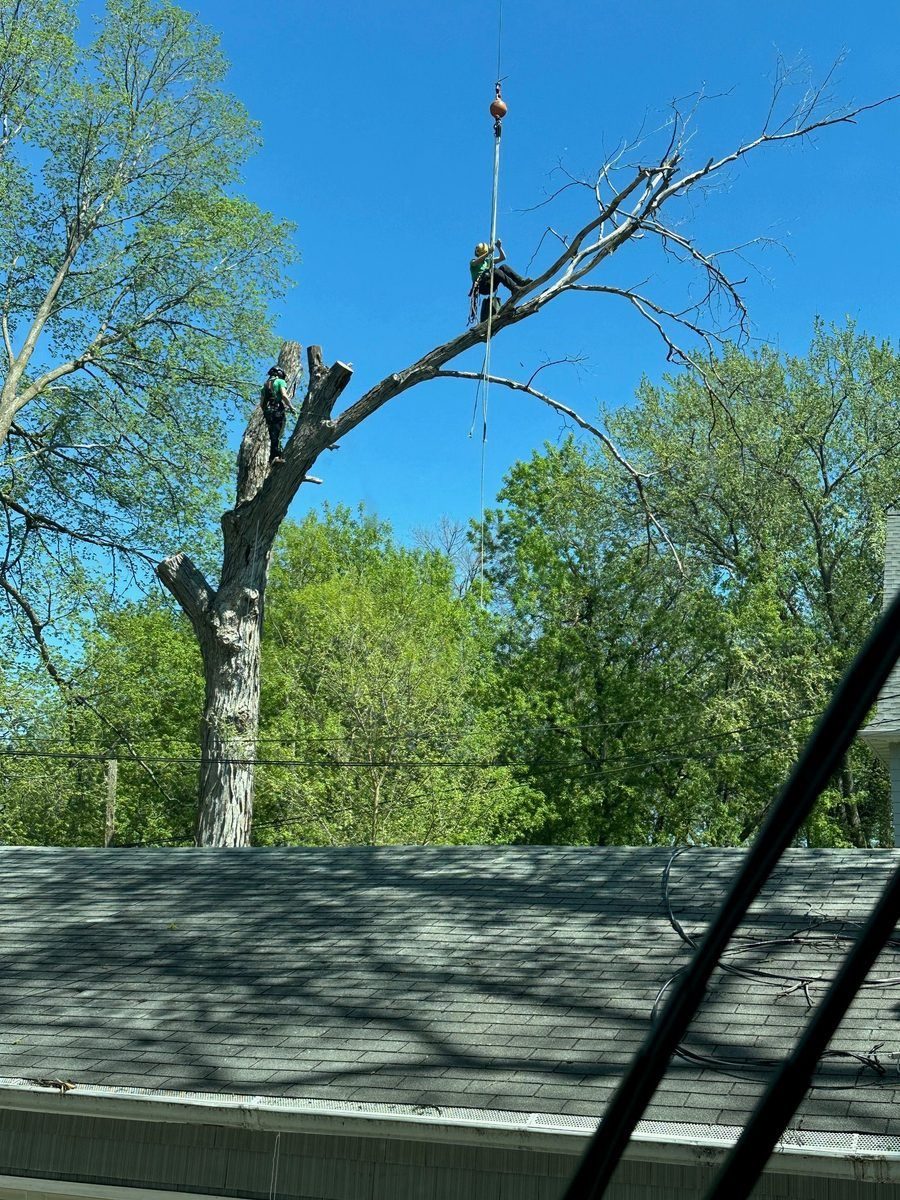
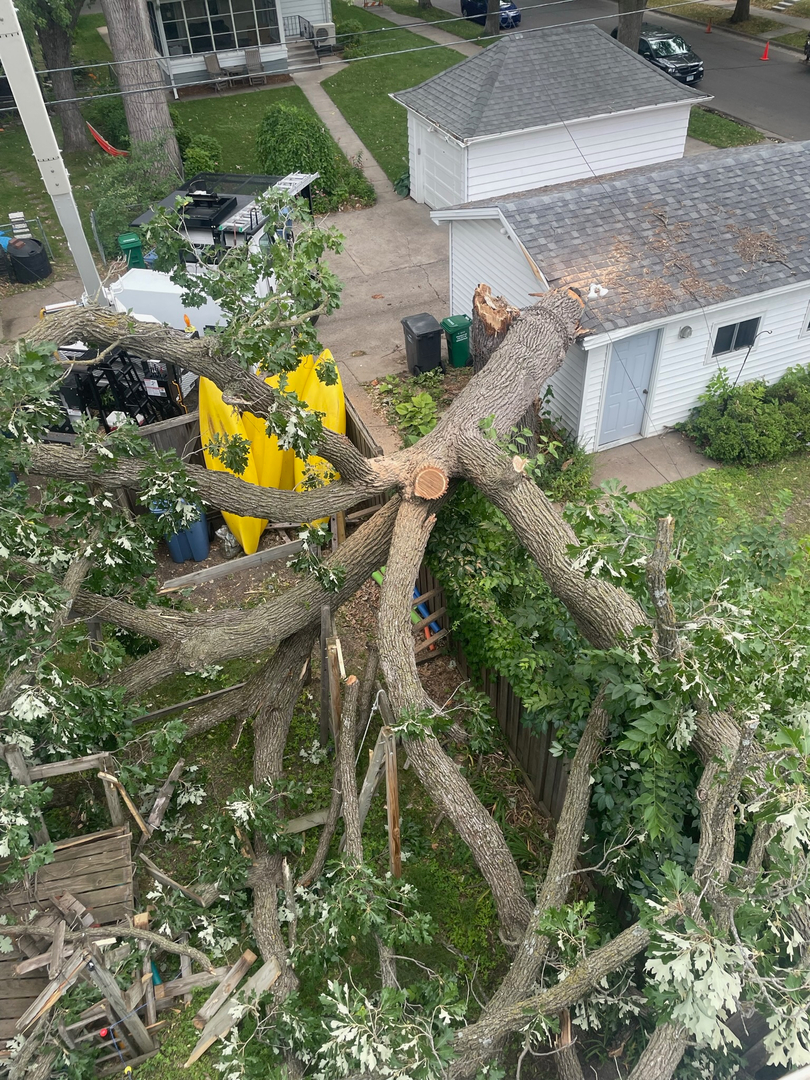
Mature trees add undeniable aesthetic character, historical value, and cooling shade to local residential properties, serving as critical natural assets for our neighborhoods. However, as these trees grow and expand over decades, their massive canopy systems can gradually transition from a beautiful landscape feature into a major structural safety liability. Large branches that stretch far out over rooflines, pedestrian sidewalks, public roadways, and outdoor living areas present a silent risk that many property owners overlook. A single branch failure can instantly cause devastating structural property damage, disrupt local utility grids, or cause severe personal injury.
Managing this risk requires moving past a basic wait-and-see approach to landscape maintenance. Homeowners often mistake a tree that looks lush and green from the ground as being entirely healthy, missing the subtle signs of internal decay or structural weakness that lead to a sudden break. A proactive strategy centers on understanding when a large overhanging limb crosses the line from providing helpful shade to presenting a clear danger. Working with a team like Bratt Tree connects your property with certified arborists who understand the exact mechanics of regional tree species, allowing you to address structural weaknesses before the next major storm arrives.
The Anatomy of Branch Risk: Why Overhanging Canopy Material Fails
Trees are complex mechanical structures that must constantly balance their own immense weight against the shifting forces of nature. When a large limb reaches out horizontally away from the main trunk, it places incredible leverage and structural stress on the connection point.
Internal Wood Decay and Fungal Vectors
Internal decay is a leading cause of sudden limb drops, quietly eating away at the structural core of a branch while leaving the outer bark looking normal:
- Active Fungal Fruiting Bodies: Finding mushroom clusters or shelf fungi growing along the underside of a large branch indicates that wood-rotting fungi are actively dissolving the internal cellulose structure.
- The Presence of Open Cavities: Old pruning cuts that failed to heal correctly can allow moisture penetration, creating hollow pockets inside the limb that severely reduce its capacity to bend without breaking.
- Woodpecker Activity Patterns: Frequent bird nesting and boring activity along a single horizontal limb points toward a high concentration of wood-destroying insects feeding on dead internal wood fibers.
- Peeling and Cracking Outer Bark: Deep, vertical splits running along the length of an overhanging branch signal that the wood is splitting under its own weight, indicating an imminent structural breakdown.
Poor Attachments and Structural Weight Distribution
The angle at which a branch attaches to the main trunk dictates how much physical stress the tree can tolerate before a catastrophic failure occurs:
- Trapped Bark in Tight Unions: When branches grow close together in a tight shape, bark becomes compressed between the stems, preventing the wood fibers from interlocking and forming a secure bond.
- The Risk of Overextended Limbs: Branches that grow excessively long with all their heavy foliage clustered at the very tip act as giant levers, making them highly vulnerable to snapping under gravity.
- Co-Dominant Stem Imbalances: Trees that split into two main trunks of equal size lack a single dominant leader, creating a highly unstable center point that can easily split directly down the middle.
- The Impact of Old Storm Damage: Past weather events can leave hidden hairline fractures across large upper limbs, permanently weakening the wood’s structural integrity for future seasons.
Environmental Catalysts: What Triggers Sudden Branch Failure
While internal decay and poor structural attachments establish the underlying vulnerability, external weather elements act as the immediate triggers that cause an overhanging limb to fail. Local properties face distinct seasonal shifts that put immense pressure on tree structures throughout the year.
The Stresses of Severe Storm Winds and Rain
High velocity winds and sudden downpours push trees to their absolute mechanical limits, turning minor structural flaws into major emergency situations within a matter of minutes:
- The Sail Effect on Full Canopies: Dense summer foliage acts like a massive ship sail, catching strong winds and transferring thousands of pounds of twisting force directly down to weak branch attachments.
- Compounding Saturated Leaf Weight: Torrential rainfall coats every leaf and twig in a thick layer of water, rapidly multiplying the physical weight of a limb and causing overextended branches to snap under the sudden load.
- Soil Softening Around Root Systems: Extended rain spells saturate the earth, loosening the root grid that anchors the tree, which can cause the entire tree to lean forward and push overhanging branches lower over structures.
- Thermal Shifting Shock Waves: Sudden drops in temperature can cause wood fibers to contract unevenly, expanding existing internal cracks and causing heavy limbs to fail on perfectly calm days.
Conducting a Professional Tree Risk Assessment
Determining the true safety profile of a mature tree requires an advanced, systematic evaluation performed by a certified arborist. Professional safety reviews use specialized methodologies to look beneath the surface, removing the guesswork from property management.
Advanced Diagnostics and Mitigation Step Protocols
A comprehensive arborist inspection looks at the complete biological and structural condition of the tree, utilizing specialized tools to map out an accurate safety profile:
- Visual Canopy Density Checks: Arborists evaluate the top layers of the canopy to check for dieback, measuring the ratio of dead wood to live foliage to determine the overall vitality of the tree.
- Acoustic Tomography Internal Testing: Specialized sound wave equipment can map the interior of a massive trunk or branch, revealing hidden hollow spaces and internal rot without harming the tree.
- Tactical Weight Reduction Pruning: If a large overhanging limb is determined to be sound but overly heavy, arborists can perform targeted directional pruning to remove weight from the tip and ease trunk leverage.
- Supplemental Structural Support Cabling: For high-value historic trees with slight structural separations, installing high-strength steel cables or bracing rods provides an extra layer of structural stability.
Legal and Financial Protections for Property Owners
Ignoring hazardous overhanging branches involves major financial and legal liabilities that can easily disrupt your peace of mind. Under local property laws, maintaining the trees on your land is a strict legal obligation that dictates insurance coverages and neighbor relations.
Mitigating Liability Risks and Securing Insurance Compliance
Understanding your legal boundaries and documenting proactive tree care is the only way to shield your household finances from the fallout of a major branch failure:
- The Definition of Act of God Exclusions: Insurance companies will cover storm damage if a perfectly healthy tree falls, but they can legally deny your claim if they prove the damage was caused by pre-existing, neglected rot.
- Boundary Line Pruning Restrictions: Homeowners generally have the legal right to trim overhanging branches from a neighbor’s tree up to their exact property line, provided the pruning does not kill the tree.
- Documented Safety Inspections: Keeping written safety sign-offs from a certified arborist creates a clear legal paper trail, proving you exercised proper property maintenance if an unexpected failure occurs.
- Protecting Underground Infrastructure Lines: Large overhanging branches often mean matching root networks are shifting beneath the soil, requiring proactive tracking to prevent damage to sewer mains and foundation walls.
Secure Your Property Safety with Bratt Tree
Do not wait for the next severe storm front or high-wind warning to discover if your overhanging branches are secure. The ISA-certified arborists at Bratt Tree have spent decades helping local homeowners manage large, mature canopies safely and efficiently. Whether your property features an ancient oak with limbs stretching over your roof or you want a comprehensive structural safety evaluation for your entire landscape, our team delivers transparent assessments and precision care.
Contact our team today to schedule a professional tree risk assessment and protect your home investment.