4.9 Google Rating



Do You Need a Certified Arborist for Your Tree Project in Minneapolis?
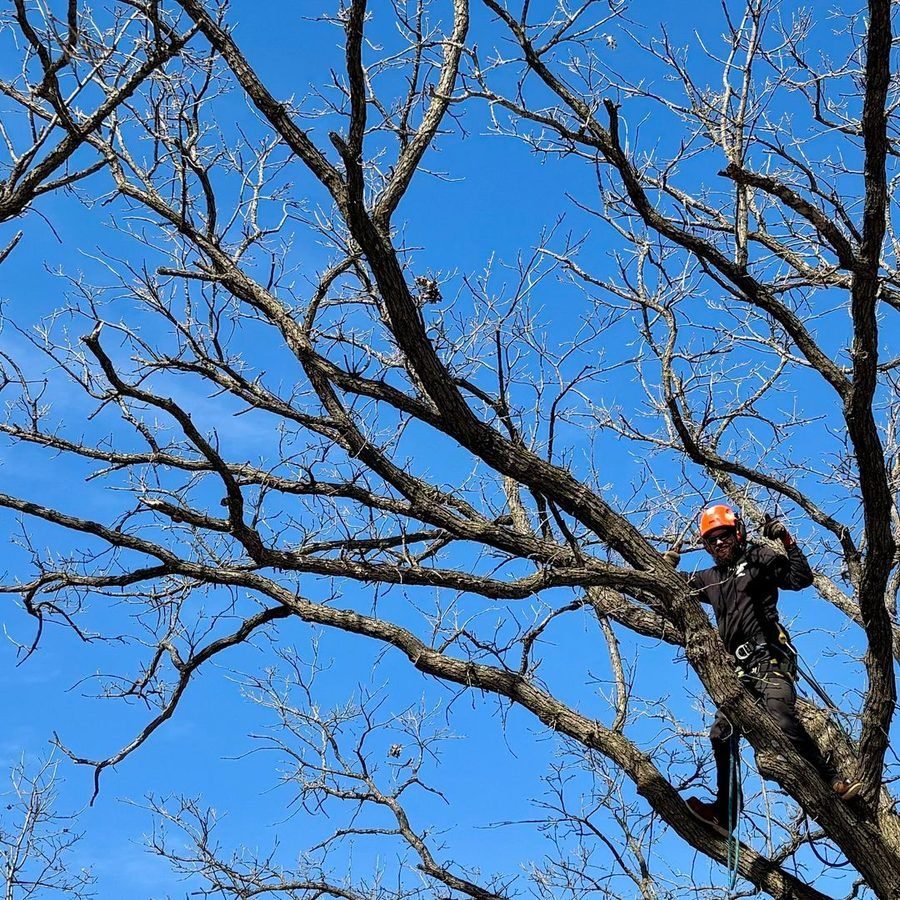
With its stunning Urban Forest canopy stretching across the Grand Rounds National Scenic Byway, mature oak-lined streets in Linden Hills, and towering shade trees in Kingfield and Northeast, Minneapolis owes much of its beauty to its trees. However, managing large trees in Minnesota’s harsh, variable climate is a serious undertaking.
Between severe summer storms bringing down heavy limbs and harsh winter blizzards causing severe ice loading, Minneapolis property owners face ongoing tree care decisions. When a branch hangs over your roof, or a mature maple shows signs of decay, you might wonder: Can I just hire a standard landscaping service or handyman, or do I actually need an ISA Certified Arborist?
This guide breaks down what an ISA Certified Arborist is, why specialized arboricultural expertise matters for Minneapolis properties, and how to know when your tree project requires a certified professional.
What Is an ISA Certified Arborist?
Anyone with a chainsaw and a pickup truck can advertise tree trimming services, but an ISA Certified Arborist is a credentialed tree care specialist.
Certified Arborists are certified through the International Society of Arboriculture (ISA). To earn this credential, an individual must have at least three years of full-time, hands-on professional experience in arboriculture or a degree in forestry or horticulture, pass a rigorous comprehensive examination covering tree biology, safety, plant health care, and soil management, and adhere to a strict ethical code.
Furthermore, Certified Arborists must maintain their credential by completing continuous education credits, ensuring they stay up to date on the latest research in tree pathology, urban forestry, and safe rigging techniques.
4 Reasons Minneapolis Tree Projects Demand a Certified Arborist
Trees are living organisms and valuable structural assets on your property. Improper care can cause permanent damage or create severe liability hazards.
1. Fighting Local Tree Diseases (Emerald Ash Borer and Oak Wilt)
Minneapolis trees face devastating local pest and disease threats:
-
Emerald Ash Borer (EAB): EAB has impacted thousands of ash trees across Hennepin County. An arborist can assess whether an ash tree can be saved using micro-injection trunk treatments or if it poses an immediate structural threat that requires safe removal.
-
Oak Wilt: This aggressive fungal disease can destroy a healthy red oak within weeks. Certified Arborists know the strict Minnesota pruning windows, never pruning oak trees between April and July, to prevent vector beetles from spreading the fungus across neighborhood canopies.
2. Understanding Extreme Minnesota Weather Strain
From summer tornadic winds to sub-zero winter freezes, Twin Cities trees undergo intense structural stress. An ISA Certified Arborist performs structural risk evaluations, identifying hidden heartwood rot, co-dominant stems, and weak branch unions. They apply structural cabling and bracing or corrective pruning to keep mature shade trees intact through high-wind events.
3. Protecting Property and Preventing Structural Damage
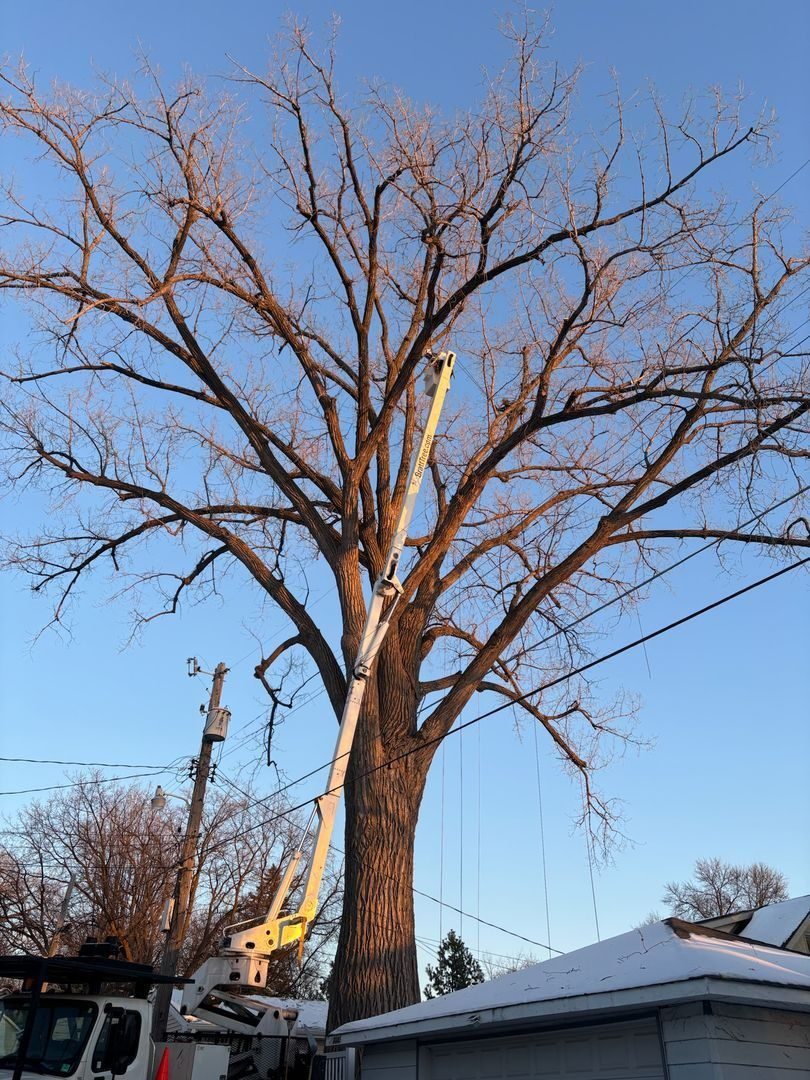
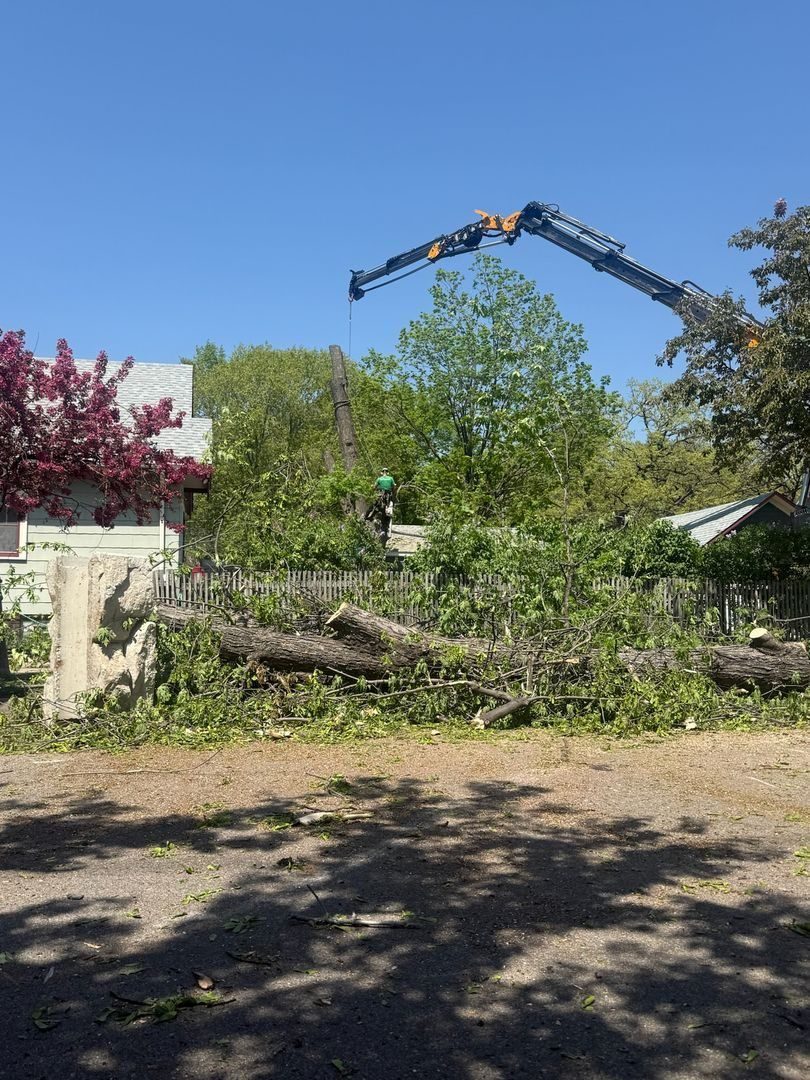
Removing a multi-ton tree squeezed between a historic Minneapolis bungalow, overhead power lines, and a neighbor’s fence requires precise physics, advanced rigging equipment, and crane operator safety protocols. Certified Arborists use controlled lowering techniques so heavy wood sections never hit roofs, vehicles, or underground utility lines.
4. Preserving Property Value through Proper Pruning
“Tree topping,” indiscriminately cutting off top branches, is a damaging practice often performed by inexperienced tree cutters. Topping starves trees, creates weak sprout growth, and leads to rapid interior rot. A Certified Arborist practices target pruning according to ANSI A300 industry standards, preserving the tree’s health, structural balance, and aesthetic value.
Quick Guide: Do You Need a Certified Arborist or a General Service?
Hire an ISA Certified Arborist for:
-
Removing large, mature, or high-risk trees near homes or power lines.
-
Diagnosing sick or dying trees, yellowing leaves, or fungal growth.
-
Emerald Ash Borer prevention treatments or Oak Wilt management.
-
Pruning high branches, structural crown thinning, or cable bracing.
-
Pre-construction tree preservation planning to protect roots during remodeling.
-
Post-storm damage assessments and high-hazard branch removal.
A General Landscaping Service May Handle:
-
Small brush clearing and sapling removal.
-
Trimming low-hanging hedge branches under 6 feet tall.
-
Mulch spreading, weeding, and routine flower bed maintenance.
City Permits and Minneapolis Tree Regulations
Navigating municipal regulations is another reason to work with local experts. The City of Minneapolis and the Minneapolis Park and Recreation Board (MPRB) maintain strict guidelines regarding boulevard trees (trees growing in the public right-of-way between the sidewalk and curb).
Private property owners are prohibited from trimming or removing boulevard trees without city permits. Certified Arborists work directly with municipal foresters to ensure all work complies with local forestry codes, preventing unexpected fines or legal liabilities for homeowners.
Protect Your Canopy and Property
Your trees are among the most valuable natural features of your home, providing shade, lowering summer cooling costs, and raising curb appeal. Entrusting them to qualified trade specialists protects your landscape investment and keeps your property safe year-round.
When facing complex removals, storm damage, or pest threats, taking a science-based approach ensures your urban canopy stays healthy and beautiful for generations to come.
Contact Bratt Tree Company or schedule your expert tree evaluation online!