4.9 Google Rating



Dead Tree or Dormant Tree? How to Tell the Difference This Fall
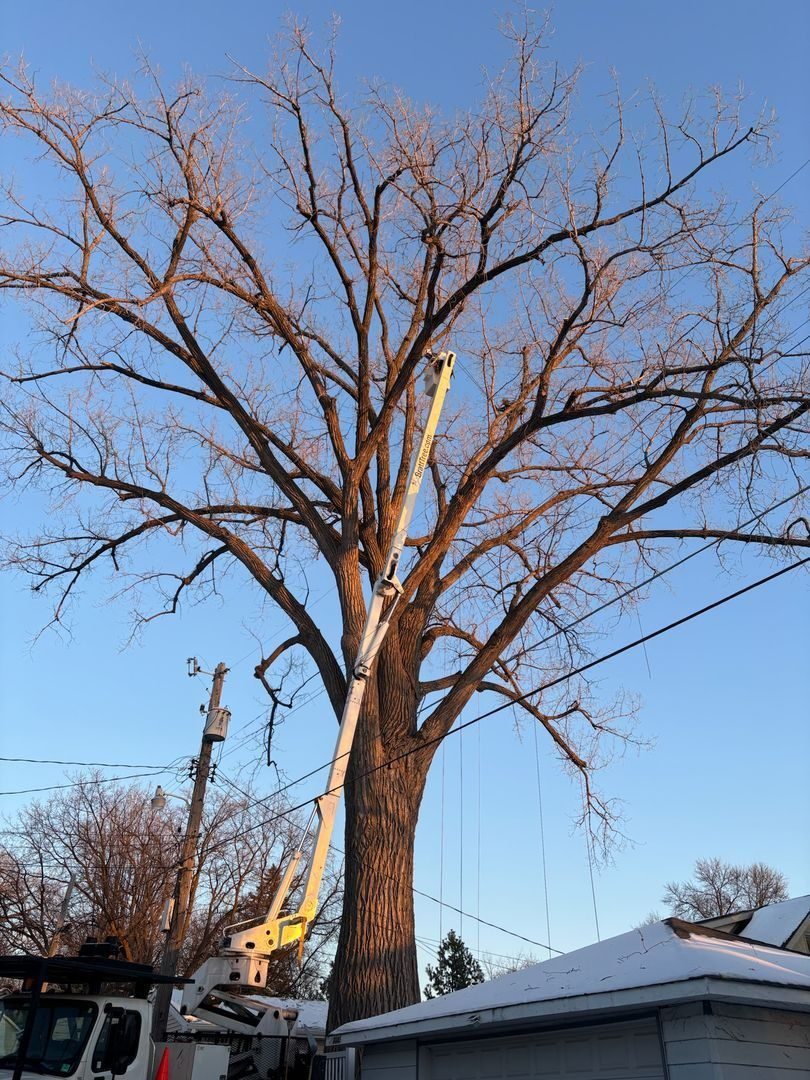
Fall brings major changes to trees throughout the Twin Cities. Leaves change color and drop, branches become bare, and visible growth slows as Minnesota heads toward winter. For homeowners looking at a suddenly bare tree, that can raise an important question: Is the tree dead, or is it simply dormant?
Seasonal leaf loss is completely normal for many deciduous trees. At the same time, a thinning canopy can make dead branches, decay, cracks, and other problems easier to see. Knowing what to look for can help you determine when your tree is following its normal seasonal cycle and when it may need professional attention.
Is My Tree Dead or Just Dormant?
A dormant tree is still alive but temporarily slows its visible growth and activity in response to seasonal conditions. A dead tree has lost living tissue and will not resume normal growth when the growing season returns.
Healthy buds, living twigs, and normal seasonal leaf loss can indicate dormancy. Extensive dead branches, decay, major structural damage, or other widespread problems may indicate that a tree is declining or dead.
No single visual clue tells the entire story, however. Tree species, weather, site conditions, pests, disease, and previous damage can all affect appearance.
Why Do Healthy Trees Look Dead in the Fall?
Deciduous trees are adapted to seasonal changes. As daylight decreases and temperatures cool, they prepare for winter by shedding their leaves and entering dormancy.
A healthy tree that was full of green foliage during summer can therefore look dramatically different by late fall.
The timing of leaf drop varies. Tree species, weather conditions, overall tree health, and location can all influence when a tree loses its leaves.
A bare canopy by itself is not evidence that a tree has died.
1. Look for Healthy Buds
One clue that a dormant tree is still alive is the presence of buds on its branches.
Many deciduous trees form buds that remain on their twigs through winter and eventually develop into new leaves, shoots, or flowers when conditions are right.
Bud size, shape, color, and arrangement vary considerably among species, so homeowners should not expect every healthy tree to look the same.
If buds appear throughout much of the tree, that can be an encouraging sign. If certain branches lack buds while the rest of the canopy appears healthy, individual branches may have died without the entire tree being dead.
2. Examine Small Twigs From the Ground
Small twigs can provide additional clues about tree health.
Living twigs often retain some flexibility, while dead twigs may become dry, brittle, and easier to break. Extensive brittle growth throughout the canopy can be more concerning than a few dead twigs.
Keep safety in mind when inspecting branches. Only examine material you can safely reach from the ground. Do not climb a questionable tree or pull on large branches to determine whether they are dead.
Large dead or hanging limbs should be assessed by a tree professional.
3. Pay Attention to the Bark
Bark can sometimes reveal signs of stress or decline.
Potential concerns include:
-
Large areas of missing or loose bark
-
Significant trunk wounds
-
Deep cracks
-
Visible decay
-
Damage extending around a substantial portion of the trunk
However, bark appearance varies widely among tree species. Some trees naturally have peeling, flaky, or deeply furrowed bark.
A single unusual-looking patch of bark does not necessarily mean a tree is dead. Consider bark condition alongside the health of the canopy, branches, trunk, and roots.
4. Look at the Entire Canopy
One dead branch does not mean an entire tree needs to be removed.
Branches can die because of storm damage, shading, pests, disease, previous pruning, or localized injury while the rest of the tree remains alive.
Instead, look at the overall pattern.
Is one small section affected, or does dieback appear throughout most of the canopy? Are there numerous broken or hanging branches? Did sections of the tree fail to produce foliage during the previous growing season?
Widespread dieback deserves closer evaluation, particularly when it appears alongside trunk damage or decay.
5. Watch for Signs of Decay
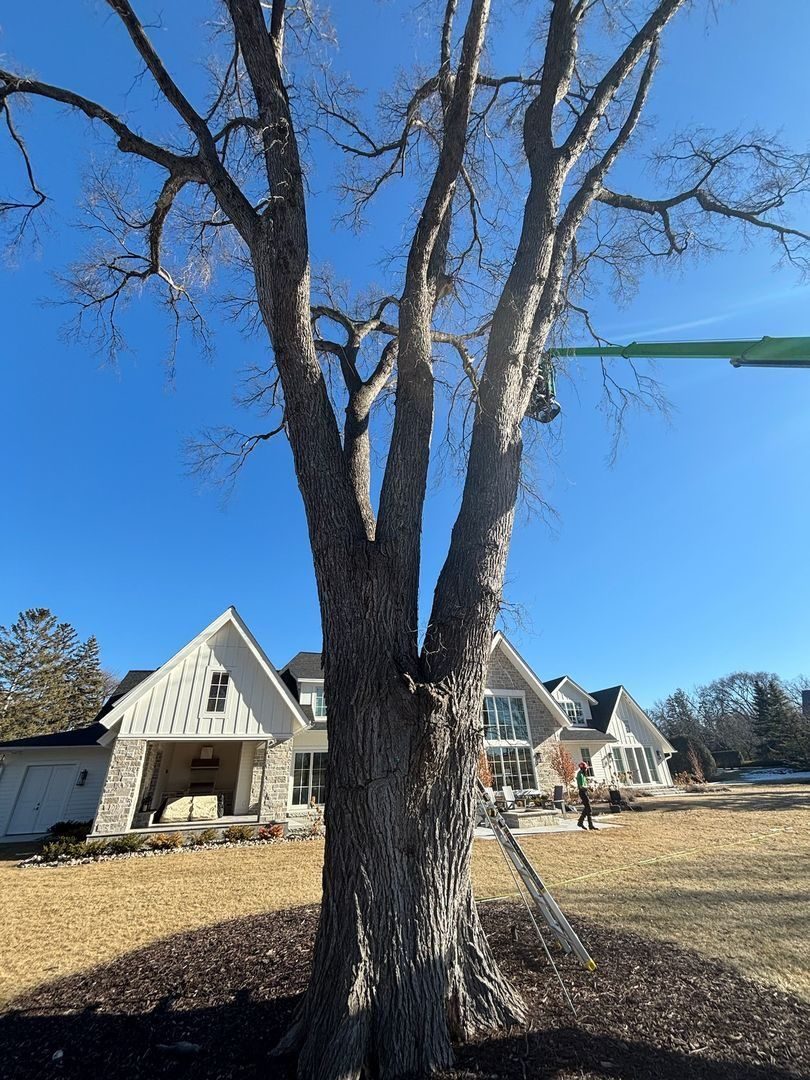
Fall leaf drop can make it easier to see the trunk and larger branches.
From the ground, watch for conditions such as:
-
Cavities
-
Broken limbs
-
Large wounds
-
Visibly decayed wood
-
Fungal growth or conks
-
Major areas of missing bark
Fungal growth alone does not automatically mean the entire tree is dead. Certain fungi, however, can be associated with decay in the trunk, branches, or roots.
Because much of a tree’s structural condition may not be visible from the outside, professional evaluation can be valuable when decay is suspected.
6. Look for Structural Changes
Whether a tree is alive is only part of the question. Its structural condition matters too.
Once leaves fall, homeowners may have a clearer view of branch unions and the overall structure of the tree.
Watch for:
-
New or worsening lean
-
Cracks between major stems
-
Hanging branches
-
Large broken limbs
-
Soil lifting around the root area
-
Visible root damage
-
Changes in the position of the trunk or root plate
These conditions can become particularly important as Twin Cities homes prepare for snow, ice, and winter winds.
A tree that suddenly begins leaning or shows movement around its roots should receive prompt professional attention.
Does the Scratch Test Tell You if a Tree Is Alive?
You may have heard of the “scratch test,” which involves lightly scratching the surface of a twig to look for green tissue underneath.
On a small, safely reachable twig, green living tissue can provide one clue that the branch is alive. But this test has limitations.
One green spot does not confirm that the entire tree is healthy, and one brown area does not prove the entire tree is dead. Repeatedly scratching or cutting bark can also unnecessarily injure the tree.
Avoid cutting into the trunk or major branches simply to determine whether the tree is alive.
Could a Stressed Tree Look Dead?
Yes. A stressed tree can sometimes show symptoms that resemble serious decline.
Drought, excessive moisture, root damage, construction activity, soil compaction, pests, disease, and severe weather can contribute to:
-
Early leaf drop
-
Sparse foliage
-
Discolored leaves
-
Dead twigs
-
Reduced growth
A stressed tree is not necessarily a dead tree. Determining the underlying cause is important before deciding whether pruning, treatment, monitoring, or removal is appropriate.
Why Inspect Your Trees This Fall?
Fall is a useful time for Twin Cities homeowners to take a closer look at their trees because leaf loss can expose branch structure that was hidden during summer.
A fall inspection may reveal deadwood, storm damage, cracks, weak branches, or other concerns before winter weather arrives.
This does not mean every tree needs pruning or removal before winter. Instead, an inspection can help identify which trees require attention and which are simply entering normal dormancy.
Will a Dormant Tree Come Back in Spring?
A healthy dormant deciduous tree should resume seasonal growth when conditions become appropriate.
However, not every species produces leaves at exactly the same time. Spring weather and individual site conditions can also affect when buds open.
If neighboring trees leaf out first, do not immediately assume the tree that remains bare is dead.
A tree that fails to produce expected spring growth or shows extensive branch dieback should be professionally evaluated.
When Should a Dead or Declining Tree Be Removed?
Not every unhealthy tree requires immediate removal.
Depending on its condition, pruning, monitoring, or tree health care may be appropriate. Removal may become necessary when a tree is dead or when severe decay, structural defects, or extensive damage creates an unacceptable risk that cannot reasonably be corrected.
This is especially important when questionable trees or branches are located near homes, driveways, sidewalks, play areas, or other frequently used spaces.
Schedule a Fall Tree Inspection With Bratt Tree
A bare tree is not necessarily a dead tree. It may simply be following its normal seasonal cycle. However, widespread dieback, decay, major cracks, hanging limbs, or structural changes deserve attention.
Bratt Tree can help Twin Cities homeowners distinguish normal dormancy from tree decline and determine whether pruning, tree health care, monitoring, or removal is appropriate. Contact our team for a professional tree inspection and get your property ready for the Minnesota winter ahead.