4.9 Google Rating



How Are Large Trees Removed From My Yard?
When it comes to removing large trees from your yard, proper techniques and safety measures are key. Large trees can pose risks to your property and personal safety, making professional removal critical.
Whether it’s to prevent potential damage, manage disease, or enhance your landscape, understanding the tree removal process is essential for ensuring the job is done safely and efficiently.
In this blog post, the tree removal experts at Bratt Tree Company explain how large trees are removed from your property so you can better understand the process.
Assessment & Planning
Prior to tree removal, a thorough assessment is conducted by a certified arborist. This evaluation helps determine the tree’s health, size, and proximity to structures, informing the removal process.
In many cases, obtaining permits is also required, especially for large trees. This ensures compliance with local regulations, helping you avoid potential fines and safety issues. With professionals planning every step, they’ll help minimize risks to people and property for maximum safety.
Preparation for Tree Removal
Preparation is key to ensuring a smooth and safe tree removal process. This includes clearing the surrounding area of obstacles and debris, protecting nearby structures and landscaping, and setting up essential safety equipment.
Tree Removal Techniques
Tree removal techniques vary depending on the size, location, and condition of the tree. Here are some of the most commonly used methods for large tree removal:
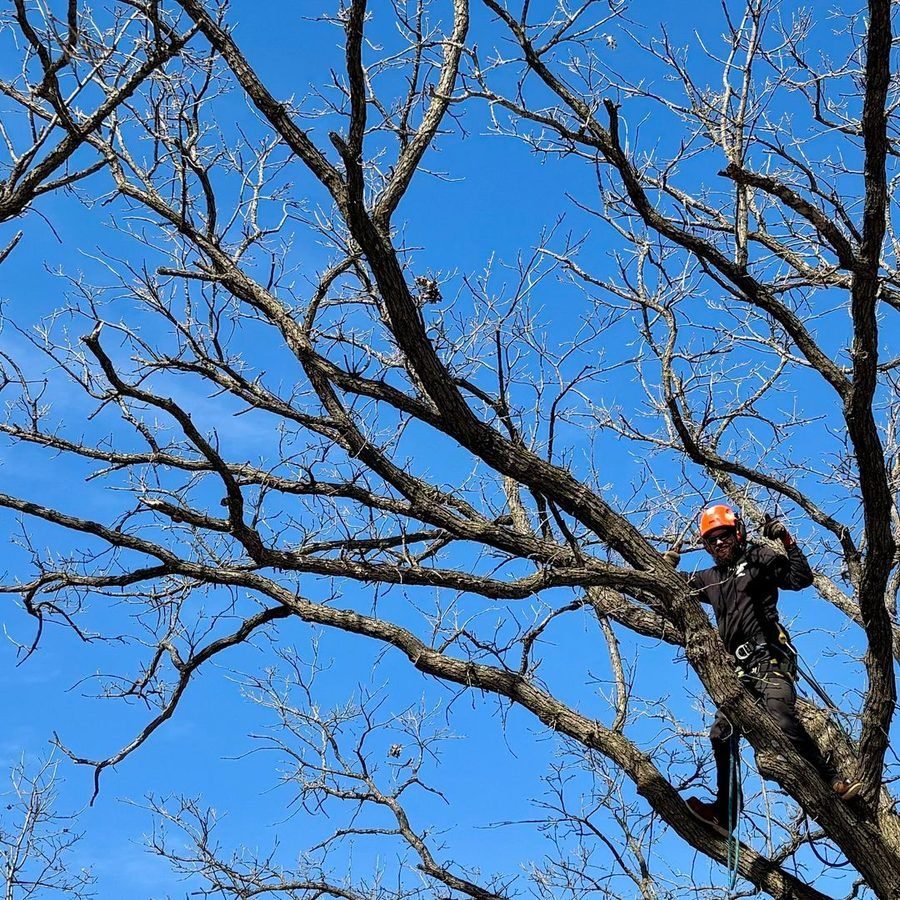
- Sectional dismantling: This top-down approach involves cutting the tree into manageable sections. Rigging equipment is used to lower branches and trunk pieces safely to the ground.
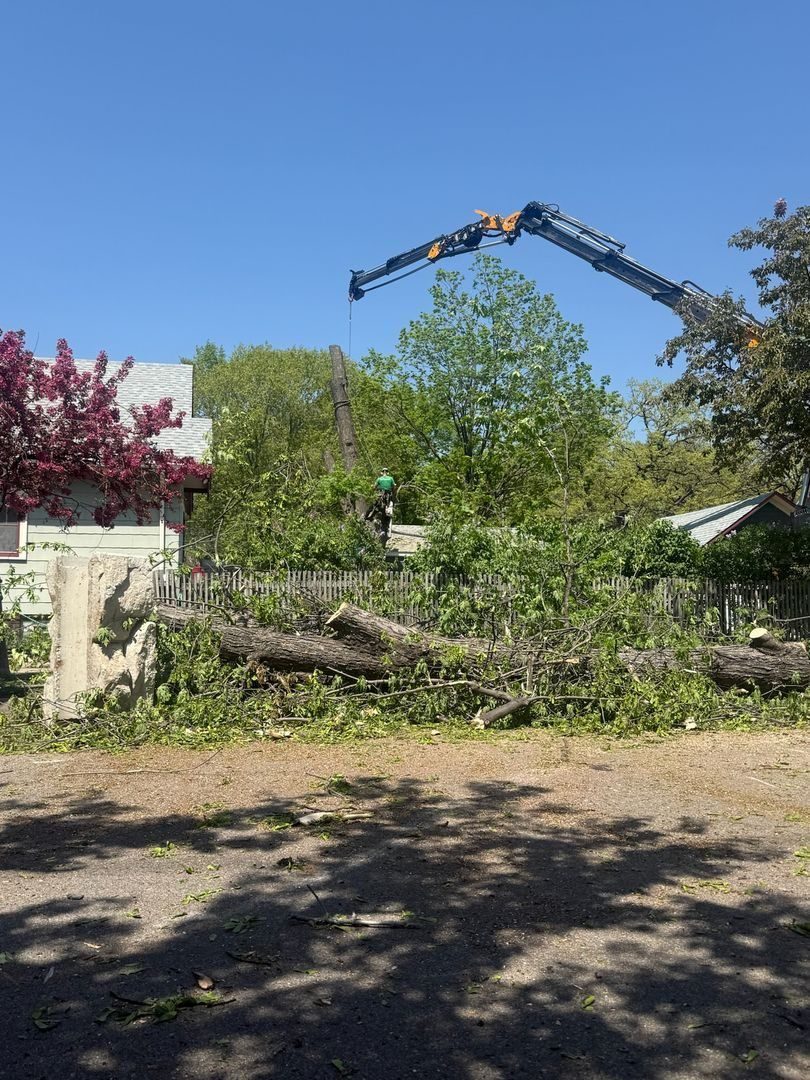
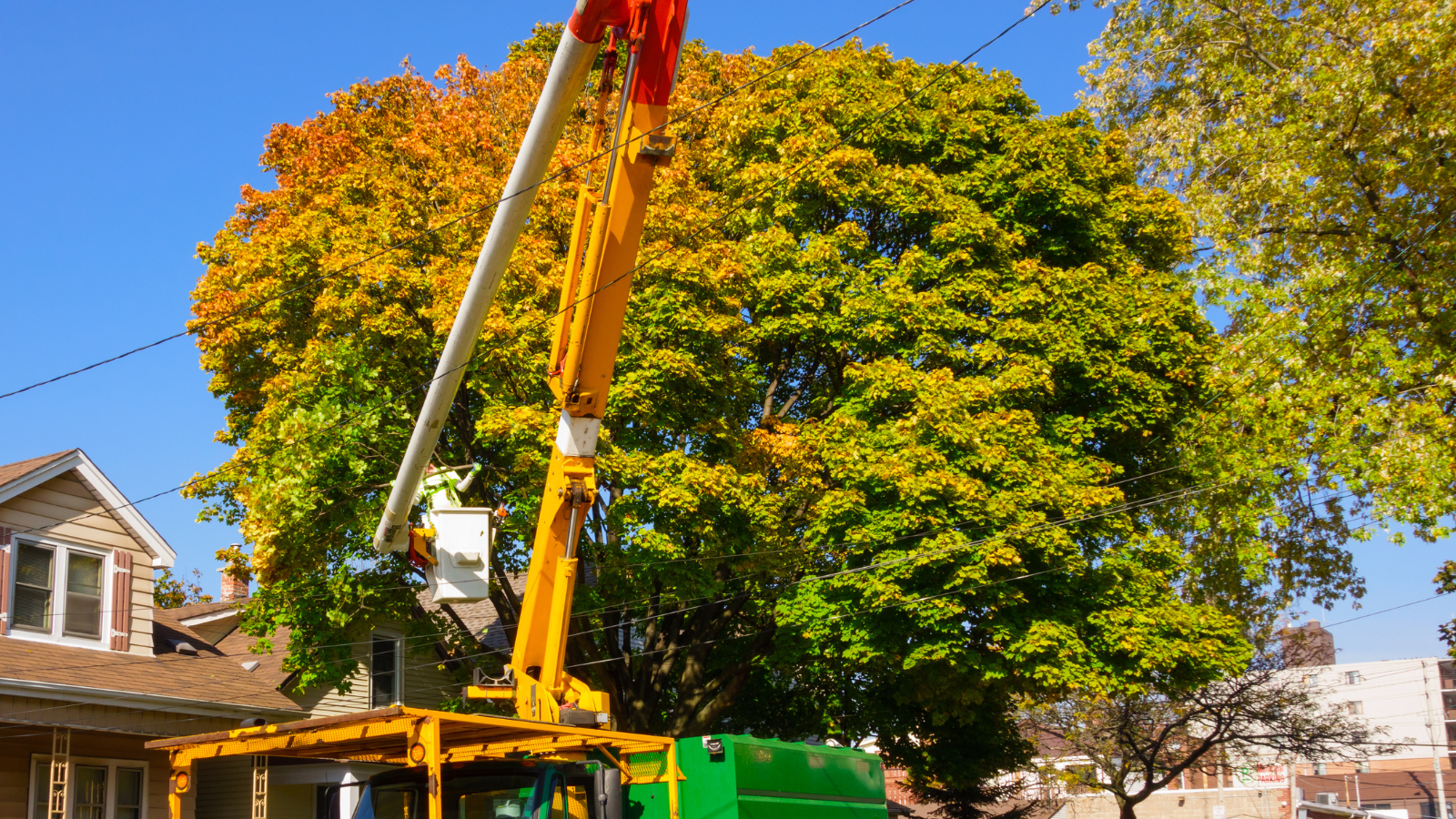
- Crane-assisted removal: For larger trees or those in confined spaces, cranes may be used to lift and remove tree sections, reducing the impact on the surrounding area.
- Whole tree felling: In suitable open areas, the entire tree may be felled at once. This method requires precise planning to ensure the tree falls in the desired direction without causing damage.
Equipment Used for Tree Removal
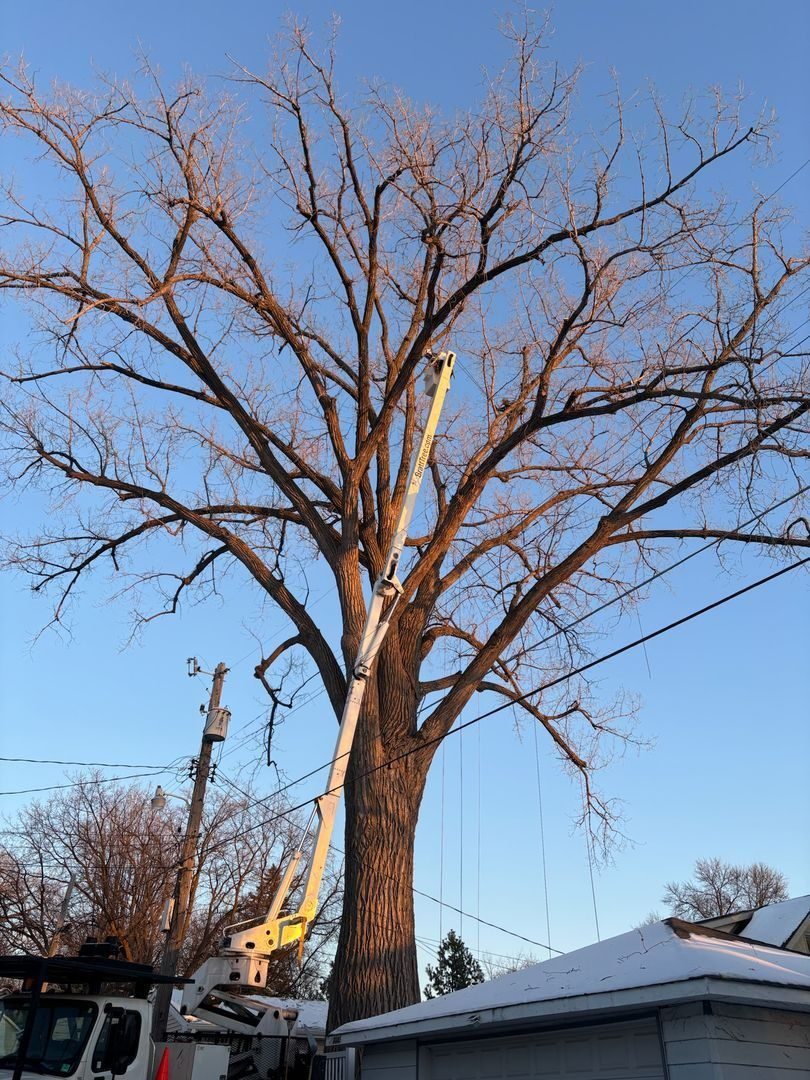
Tree removal requires specialized equipment to ensure safety and efficiency. Common tools include chainsaws and pole saws for cutting, climbing gear for accessing tall trees, and chippers and grinders for managing branches and smaller debris. Heavy machinery like cranes and bucket trucks are often used for larger tree removals, especially in urban settings.
Stump Removal
Once the tree is removed, the stump must also be eliminated from the yard. Some methods for stump removal include:
- Grinding: A stump grinder is used to grind the stump down to below ground level, allowing the area to be covered with soil and replanted.
- Chemicals: Chemical treatments may be used to accelerate decay, making it easier to remove or allowing it to naturally decompose over time.
- Manual: For smaller stumps, manual digging and cutting can be employed to remove the stump entirely.
Tree Removal Cleanup & Disposal
After the tree and stump have been removed, cleanup is the next step. Wood chips and other debris are often recycled or repurposed for mulch or other uses.
Proper disposal ensures the site is left clean and ready for any subsequent landscaping or replanting.
Post-Removal Considerations
Following the removal of a large tree, it’s important to consider soil treatment and restoration. The soil may need to be treated to promote healthy growth if you plan to replant in the area.
You may also explore options for replanting new trees or other landscaping to enhance your yard’s appearance.
Hire a Professional for Tree Removal
When it comes to large tree removal, hiring a professional is the safest, most effective option. The risks associated with DIY tree removal, including injury, property damage, and improper techniques, far outweigh the cost savings.
Professionals are equipped with the knowledge, experience, and tools necessary to remove trees safely and efficiently.
Don’t take chances — ensure the job is done right by contacting Bratt Tree Company to schedule tree removal in the Twin Cities today.